
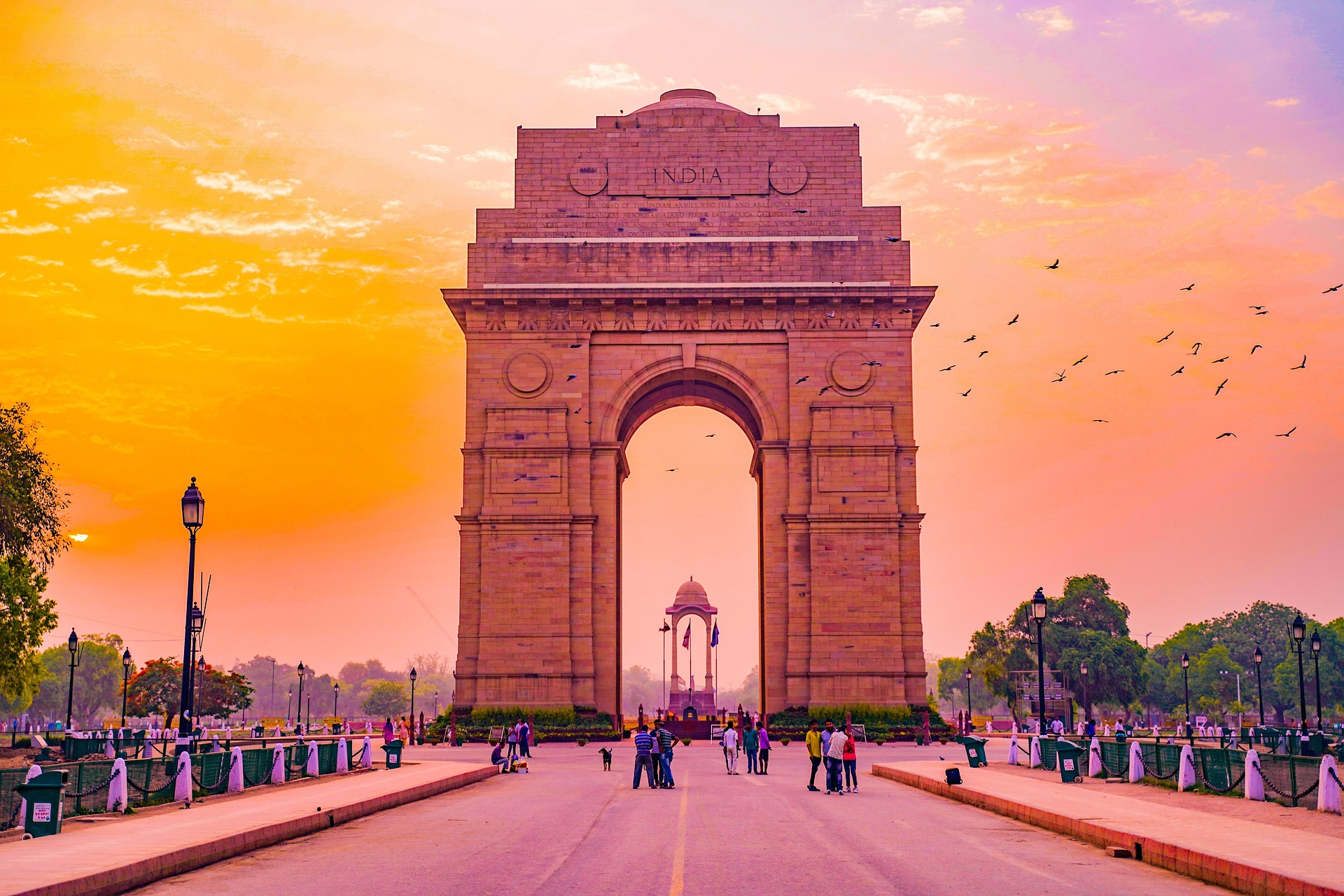
About Delhi
Delhi, the vibrant heart of India, offers an unparalleled journey through centuries of history, making it a compelling destination for national and international tourists. As a magnificent amalgamation of eight historical cities, the capital seamlessly blends the walled city charm of Old Delhi—home to the towering Red Fort, the immense Jama Masjid, and the bustling lanes of Chandni Chowk—with the planned elegance of New Delhi.
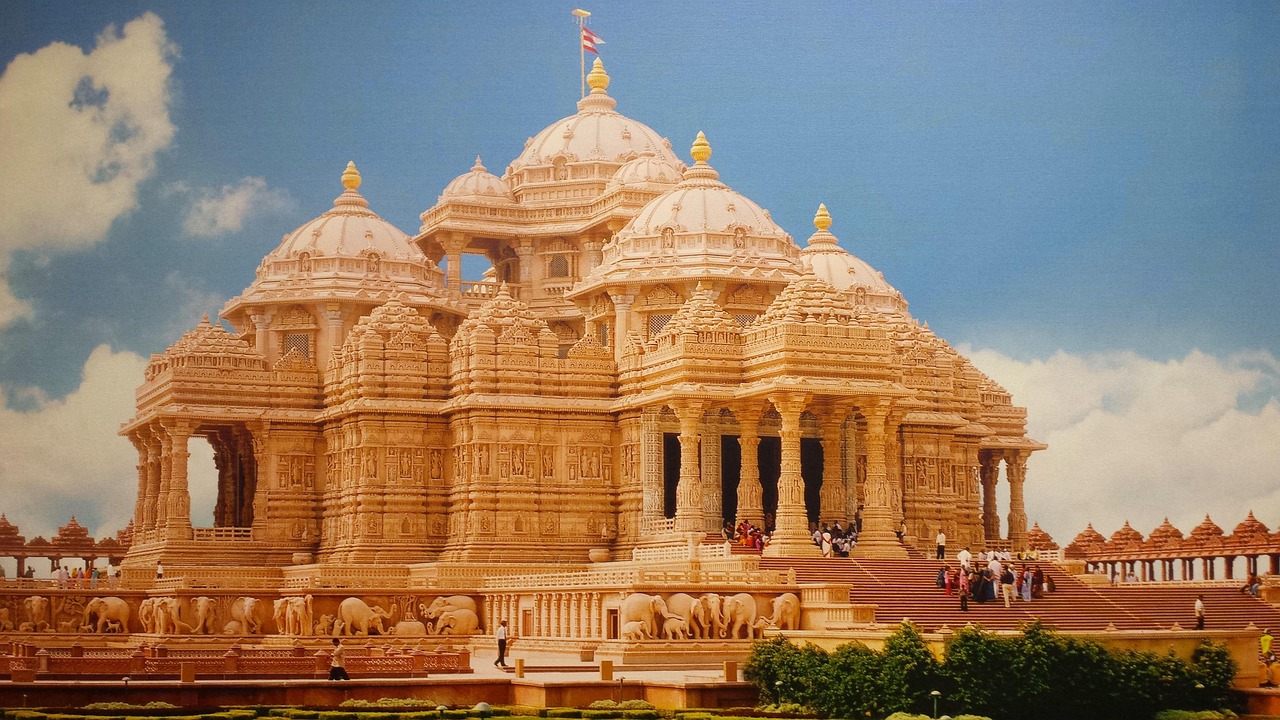
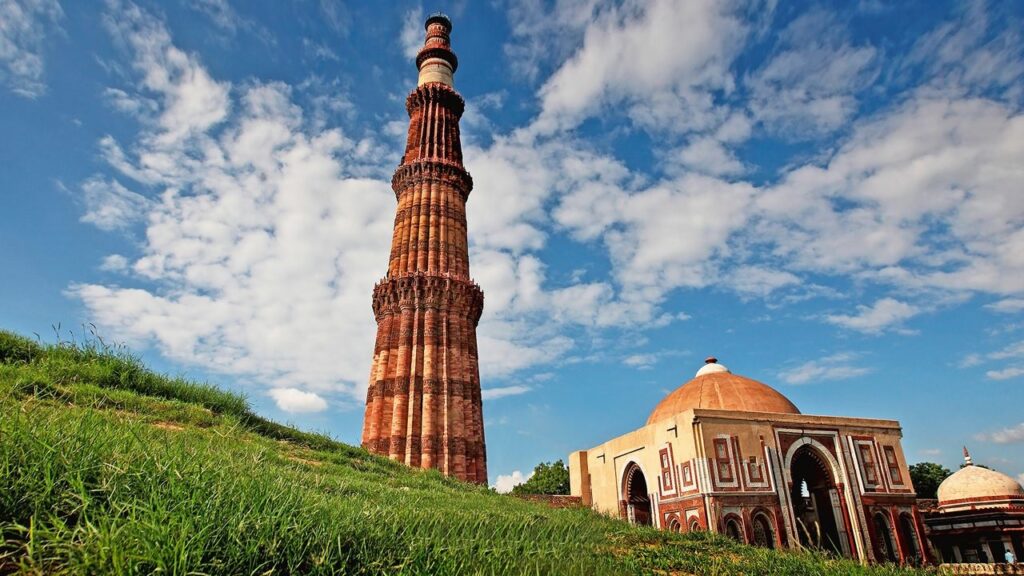
Visitors can trace the legacy of the Mughal empire at the UNESCO World Heritage Sites of Humayun’s Tomb (a precursor to the Taj Mahal) and the Qutub Minar complex, or pay tribute to India’s patriots at the iconic India Gate. Beyond the monuments, Delhi caters to diverse interests with modern spiritual wonders like the floral Lotus Temple and the grand Akshardham Temple, peaceful green spaces like the Lodhi Gardens, and a thriving culinary scene ranging from street food delicacies to fine dining experiences. Supported by world class connectivity, including the Indira Gandhi International Airport and the extensive Delhi Metro network, exploring the city’s contrasts—from ancient step wells (Agrasen ki Baoli) to modern commercial hubs (Connaught Place) and colorful cultural markets (Dilli Haat)—is easy and efficient, promising an unforgettable cultural and historical immersion.
Important Facts and Information
Geographical Facts:
- Location and Status: Delhi is located in Northern India and is officially the National Capital Territory (NCT) of Delhi, a union territory with a quasi-state structure.
- Surrounding States: It is bordered by the state of Uttar Pradesh to the east and the state of Haryana on its northern, western, and southern sides.
- River System: The Yamuna River, a major tributary of the Ganges, flows along its eastern edge. The city is situated largely on the river’s west bank, and the floodplains provide fertile, alluvial soil.
- Topography: Delhi is part of the vast Indo-Gangetic Plain, meaning the area is generally flat.
- Delhi Ridge (Aravalli Range): A prominent geographical feature is the Delhi Ridge, which is the northern extension of the ancient Aravalli Range. This rocky, hilly area in the western and southern parts is often called the “Lungs of Delhi” for its green cover.
Climate and Best Time to Visit:
- Climate Type: Delhi has a humid subtropical climate with a strong influence from the seasonal monsoon. The climate is characterized by extremes.
- Seasons: Summer (April to June): Extremely hot and dry, with temperatures often exceeding 40 degrees Centigrarde. Monsoon (July to mid-September): Brings rainfall, significantly lowering temperatures but increasing humidity.
- Winter (December to March): Cool and dry, with days being pleasant and nights often very cold. Temperatures can drop close to 0 degrees Centigrade 32 degrees Centigrade in January. Heavy fog is a common winter feature.
- Best Time to Visit: The ideal time to visit Delhi is during the peak season, from October to March, when the weather is pleasant and suitable for sightseeing. However, be aware that a period of heavy smog, often starting around mid-November and lasting for some weeks, can severely impact air quality.
Other Related Facts (Historical & Administrative)
- Capital Shift: New Delhi was established by the British in the early 20th century, with construction beginning after the capital of British India was shifted from Calcutta to Delhi in 1911. It was formally inaugurated in 1931.
- Planned City: New Delhi was meticulously planned by British architects, primarily Sir Edwin Lutyens and Herbert Baker. Its layout features wide avenues like the Kartavya Path (formerly Rajpath), leading up to the Rashtrapati Bhavan (President’s Residence).
- Old vs. New: The NCT of Delhi encompasses both Old Delhi (Dilli), the historic walled city built by Mughal Emperor Shah Jahan, and New Delhi, the modern capital.
- National Capital Region (NCR): Delhi is the center of a much larger planning area called the National Capital Region (NCR), which includes several surrounding districts from Haryana, Uttar Pradesh, and Rajasthan. This reflects its importance as an economic and urban hub.
Other Must Visit Tourist Places in Delhi
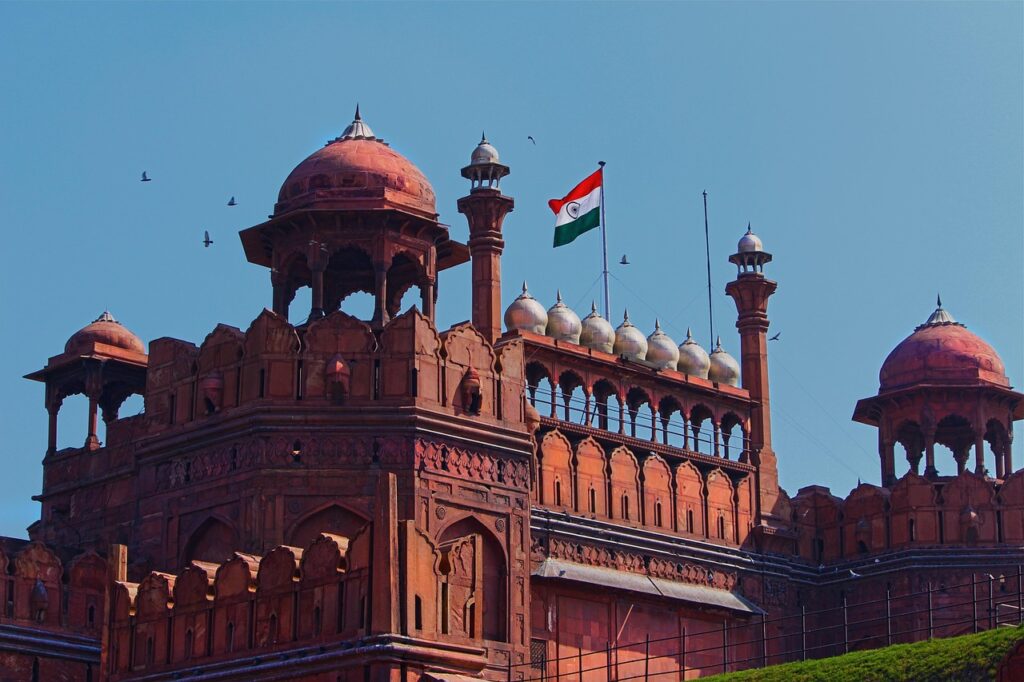
Red Fort: A massive red sandstone fort built by Mughal Emperor Shah Jahan, which served as the main residence of the Mughal emperors for nearly 200 years. It’s the site where the Prime Minister of India hoists the national flag on Independence Day.
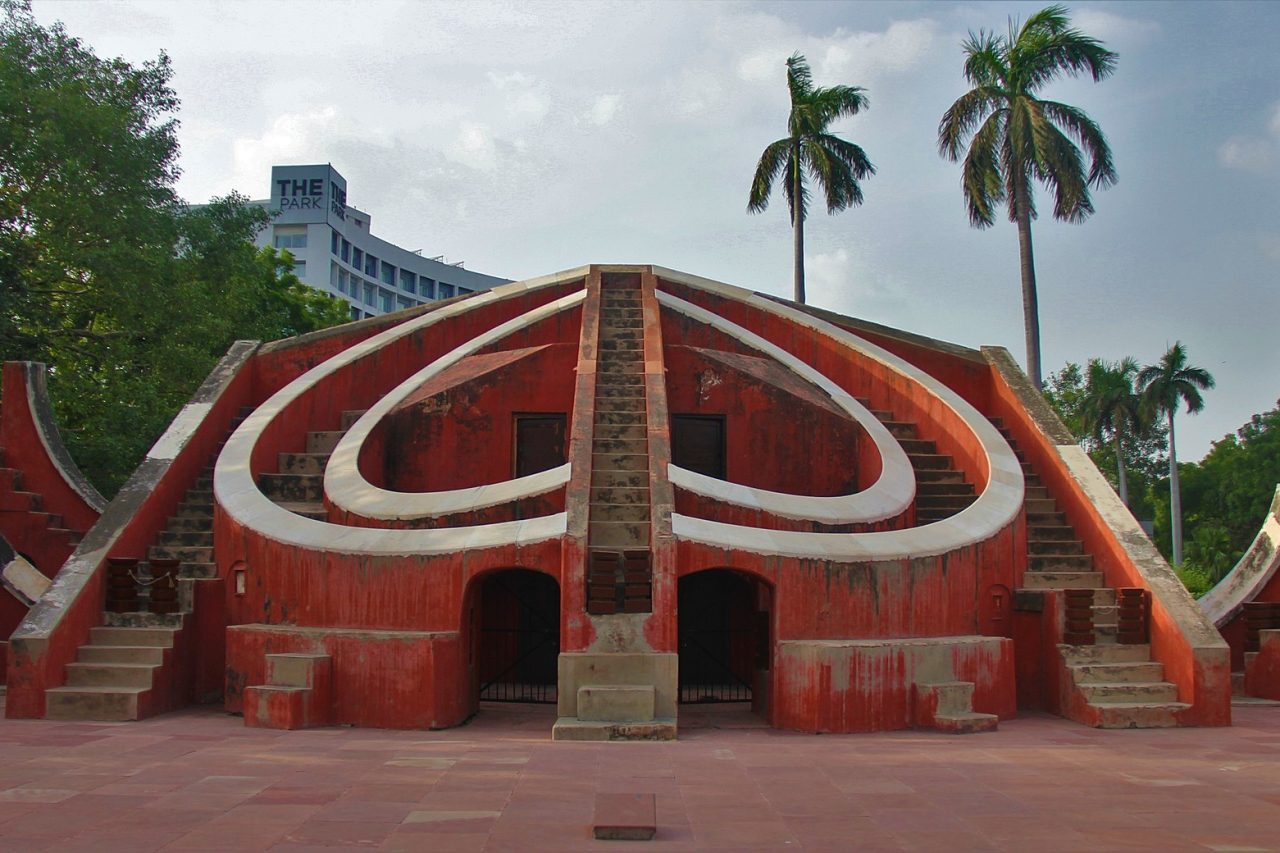
Jantar Mantar: An astronomical observatory built in 1724 by Maharaja Jai Singh II of Jaipur, featuring 13 architectural astronomy instruments.
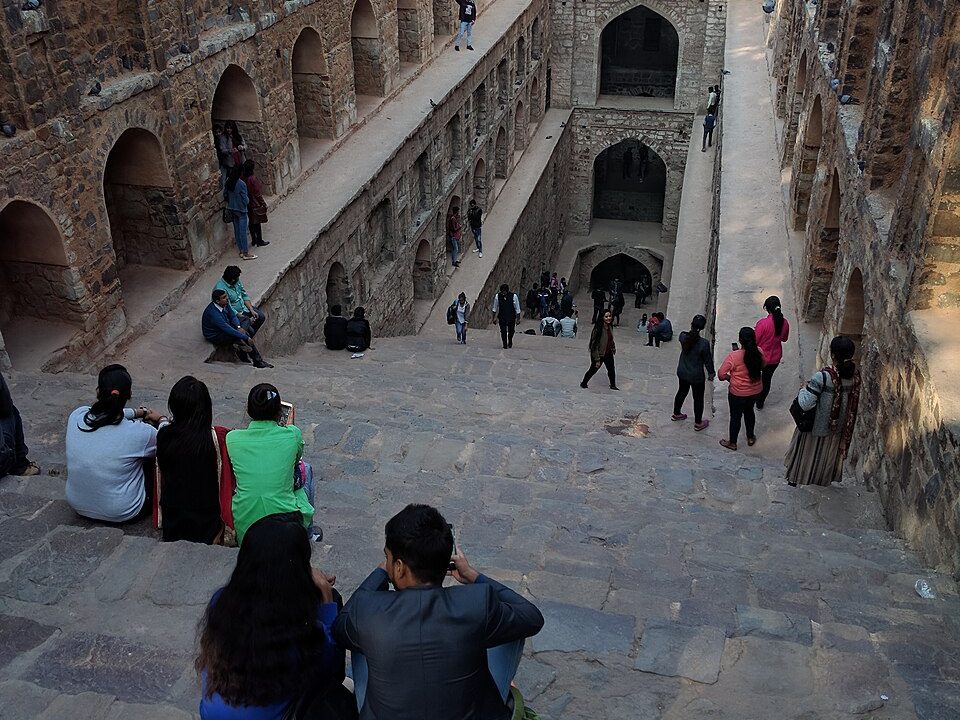
Agrasen Ki Baoli: A historical stepwell (baoli) of unknown origin, though it is popularly believed to have been originally built by the mythological King Agrasen.
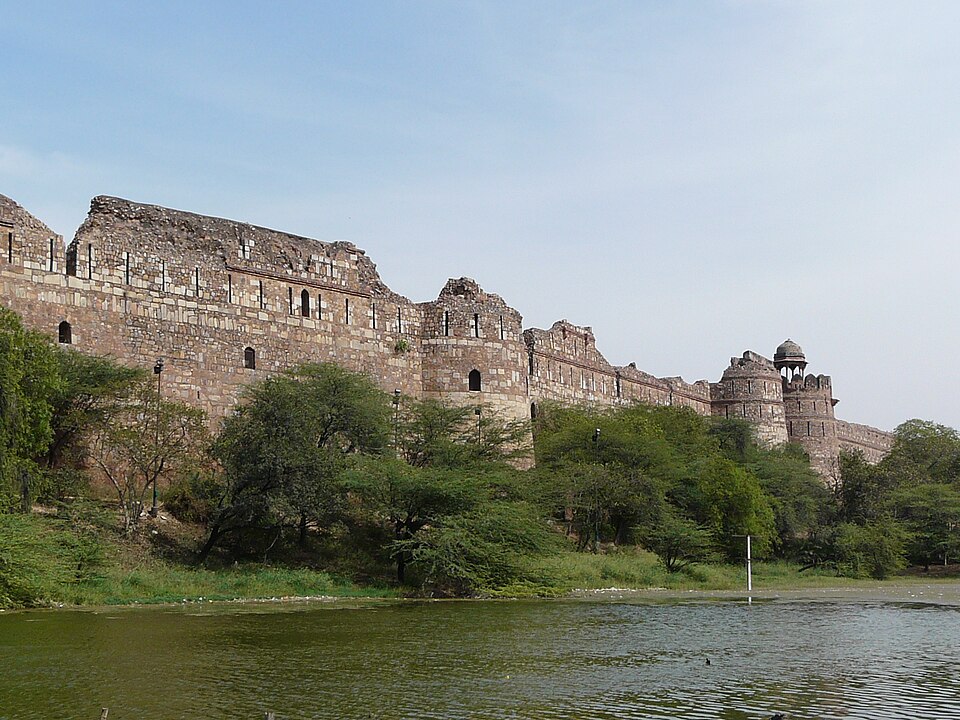
Purana Qila (Old Fort): Believed to be built on the ancient site of Indraprastha, its current structure was constructed by Mughal Emperor Humayun and Afghan ruler Sher Shah Suri.
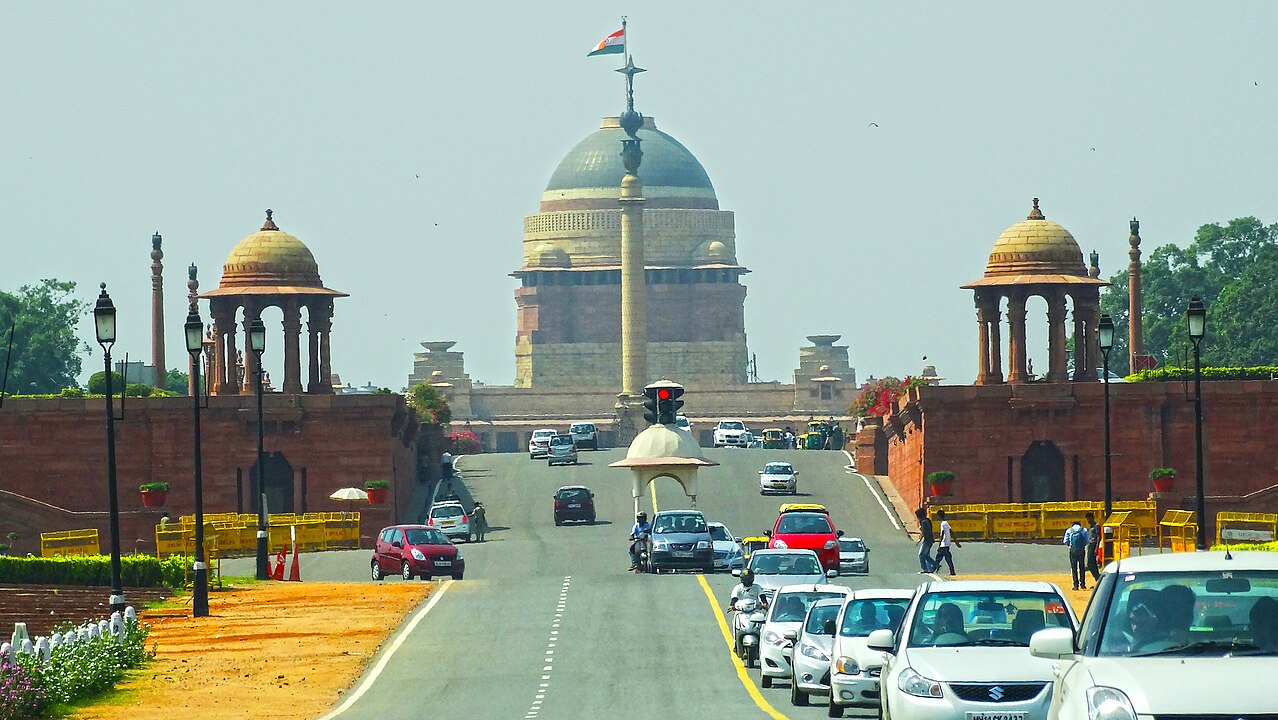
Rashtrapati Bhawan: This magnificent colonial-era palace, which serves as the President of India’s official residence, is one of the main tourist attractions in Delhi, with guided tours of its gardens (during the spring season) and grand rooms.
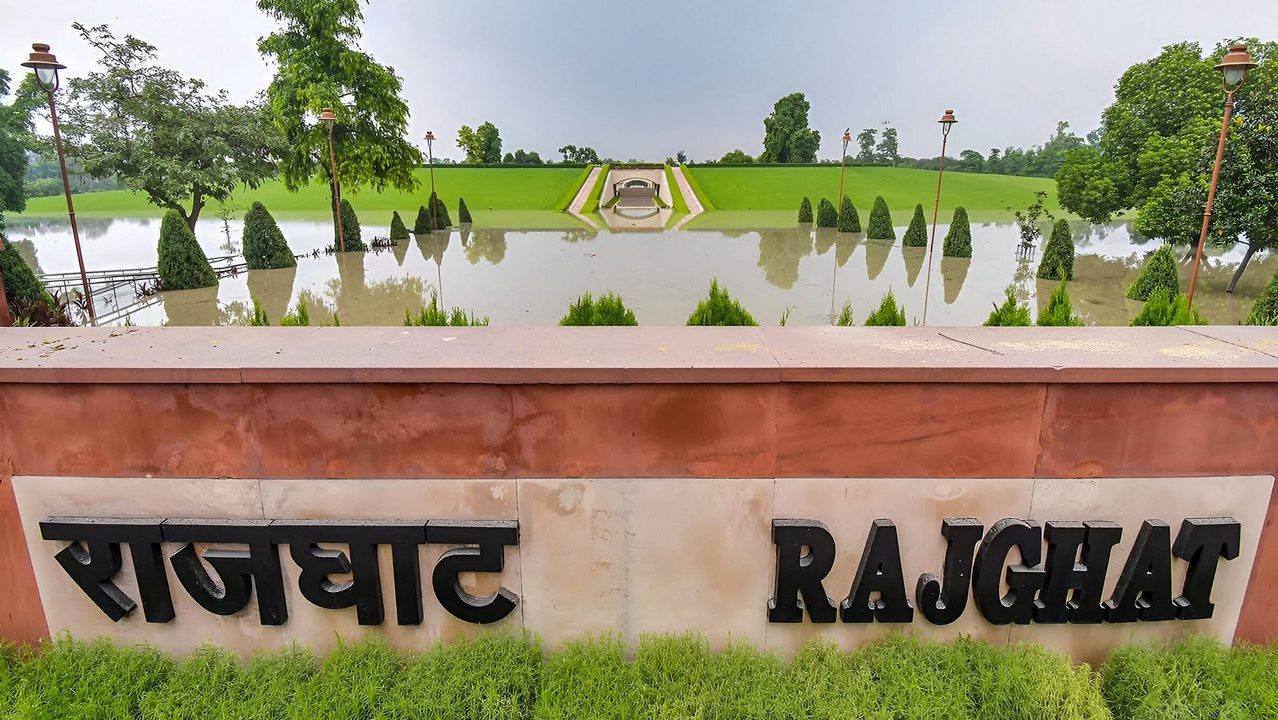
Raj Ghat: A quiet monument honoring Mahatma Gandhi, is a must-see for travelers to Delhi, offering a peaceful respite from the city’s bustle.
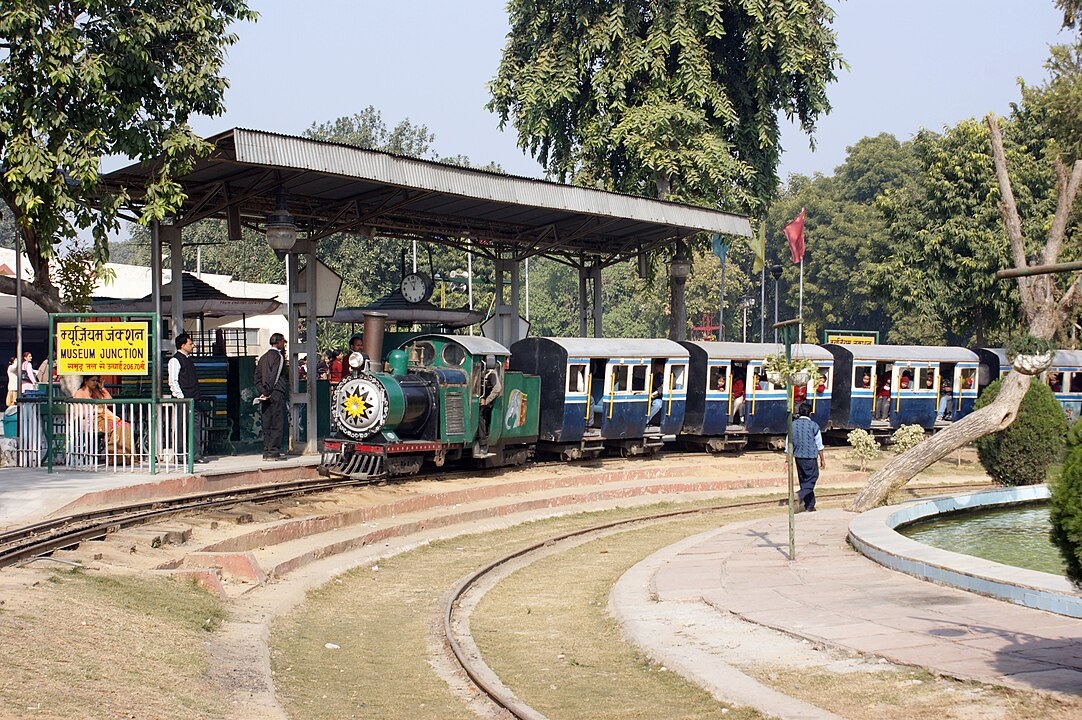
National Rail Museum: This museum, one of the top tourist attractions for families in Delhi, shows India’s railway history through historic trains, including a rideable toy train.
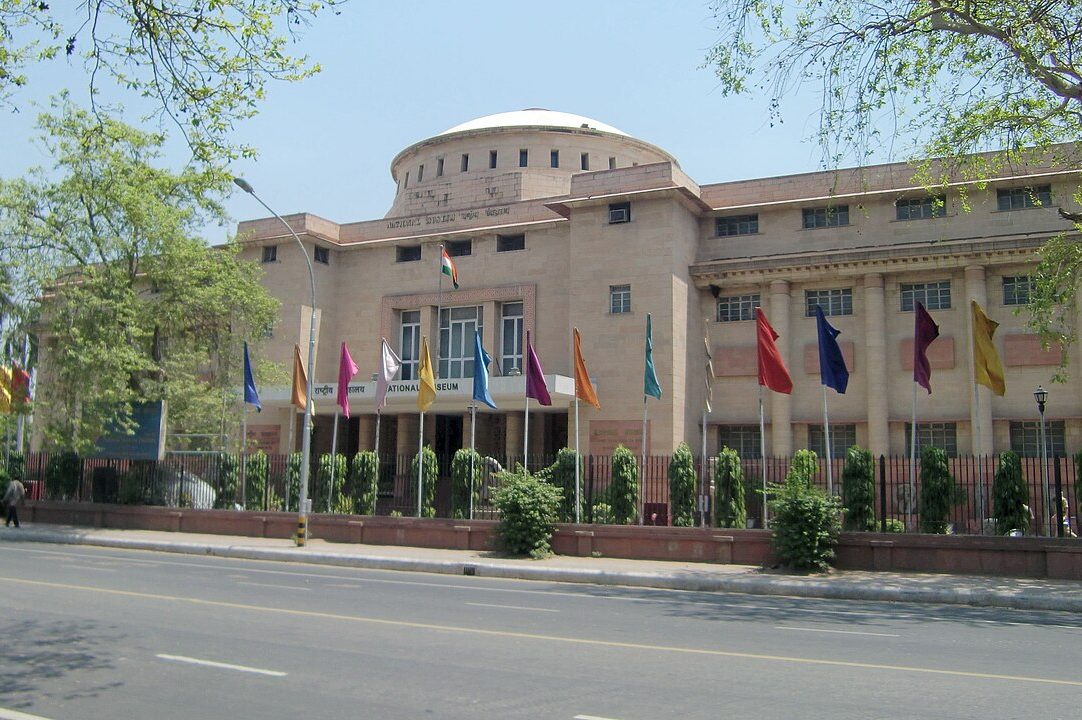
National Museum: This museum is a repository of India’s history, with items from the Indus Valley Civilization, the Mughal period, and more, making it a must-see heritage attraction.
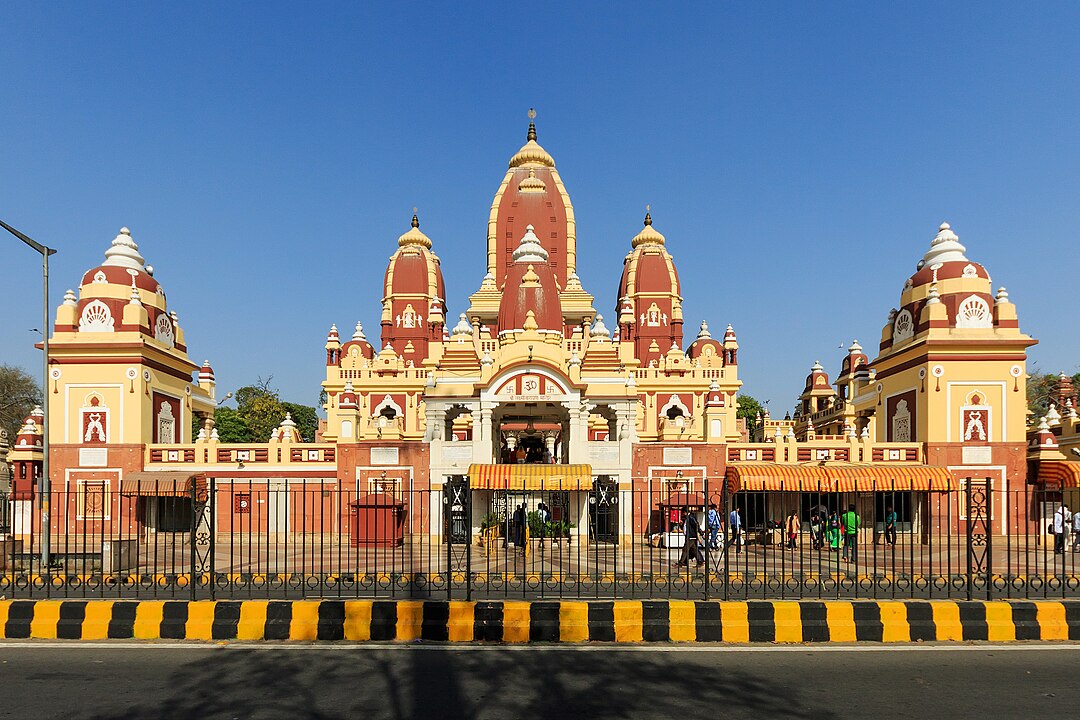
Laxminarayan Temple (Birla Mandir): – An exquisitely constructed temple devoted to Goddess Laxmi and Lord Vishnu, making it a top Hindu temple in Delhi for those seeking spiritual enlightenment.
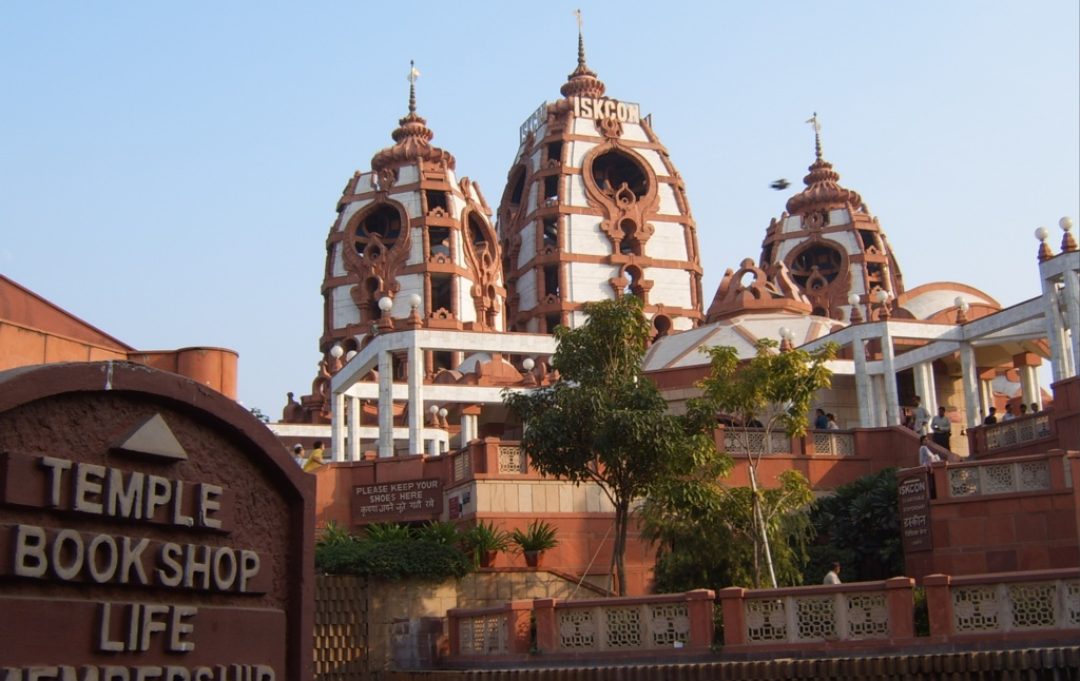
ISKCON Temple: A spiritual center for Lord Krishna followers, the ISKCON Temple is one of the best Hindu religious sites in Delhi, celebrated for its tranquil ambiance and multimedia displays.
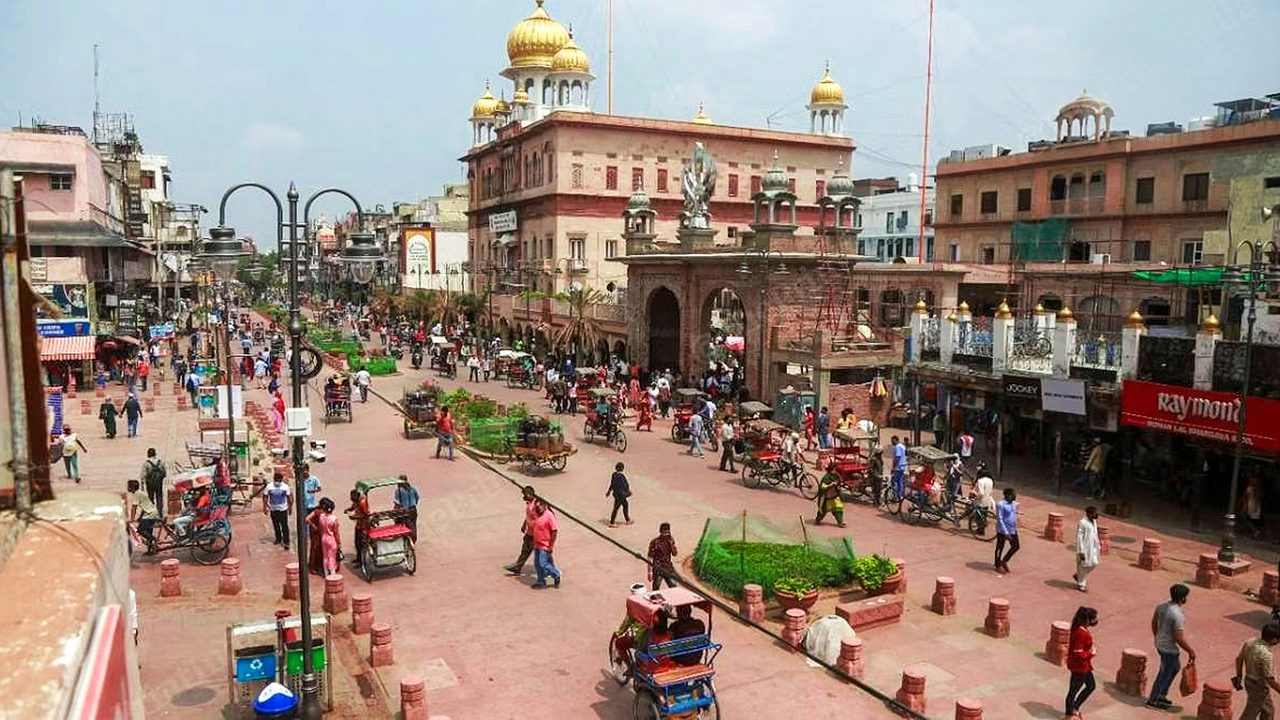
Chandni Chowk: As one of Delhi’s oldest and most vibrant markets, Chandni Chowk is a haven for those who enjoy street food and shoppers seeking traditional Indian textiles and jewelry.
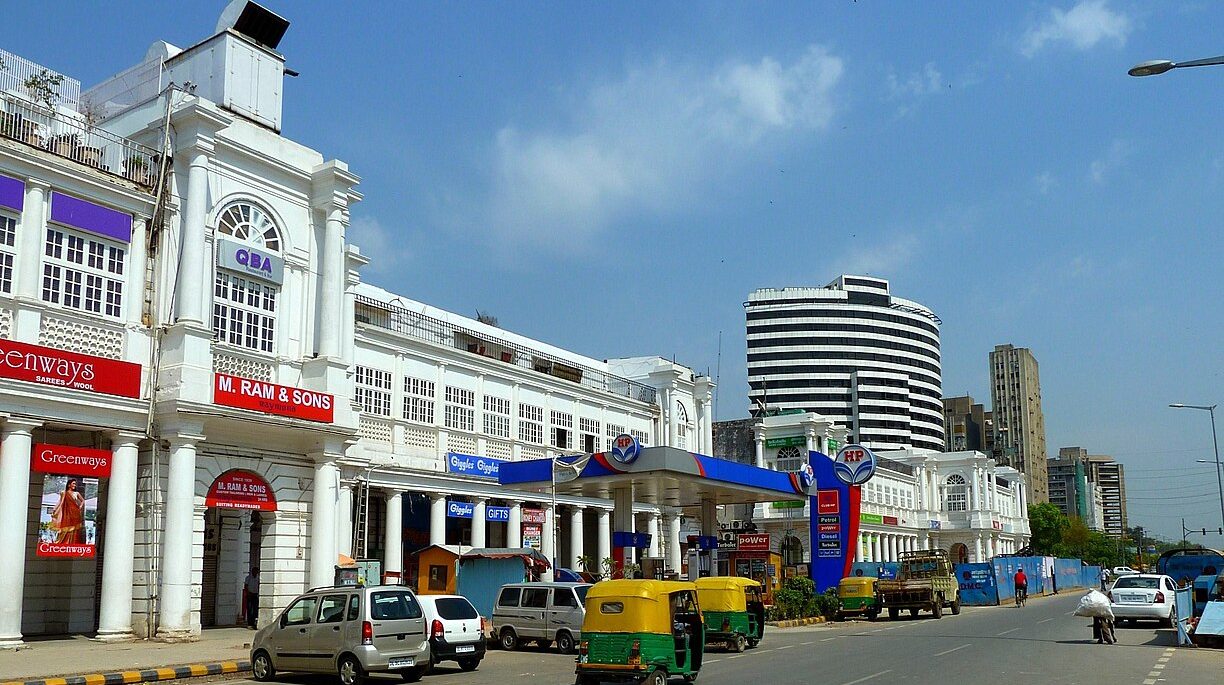
Connaught Place: Connaught Place is a popular shopping and entertainment hub in Delhi, with a plethora of restaurants, pubs, and shops.
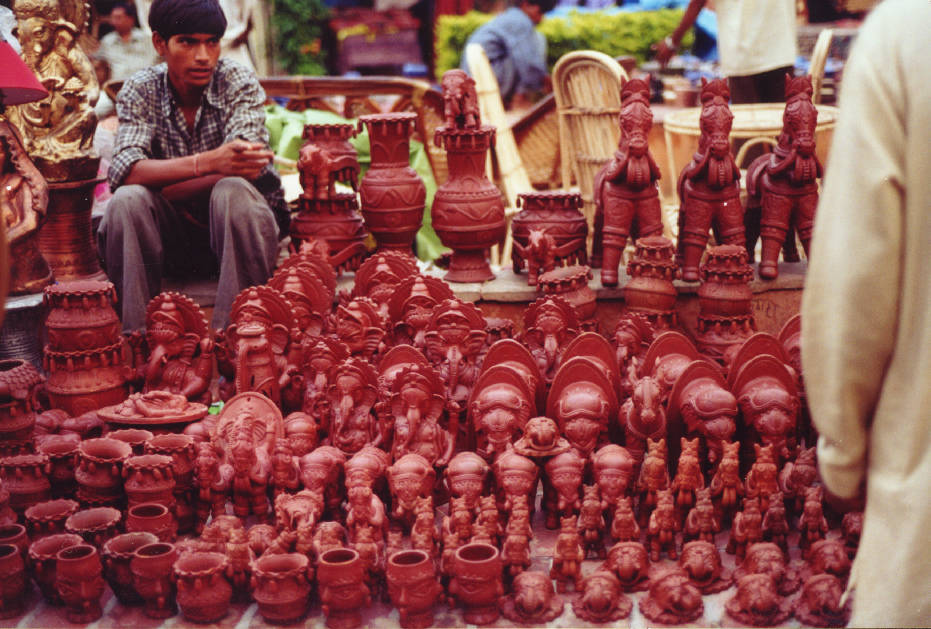
Dilli Haat: Dilli Haat, a thriving cultural market with handicrafts from all across India, is one of Delhi’s top tourist attractions for unique souvenirs and authentic cuisine.
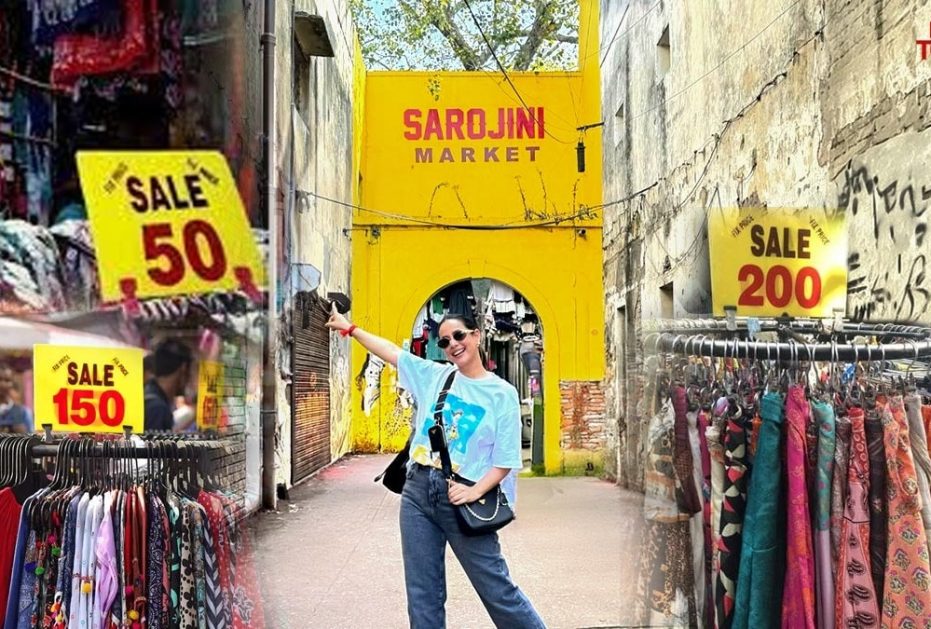
Sarojini Nagar Market: Sarojini Nagar is well-known for its economical shopping, making it the ideal place to find contemporary goods and accessories.