
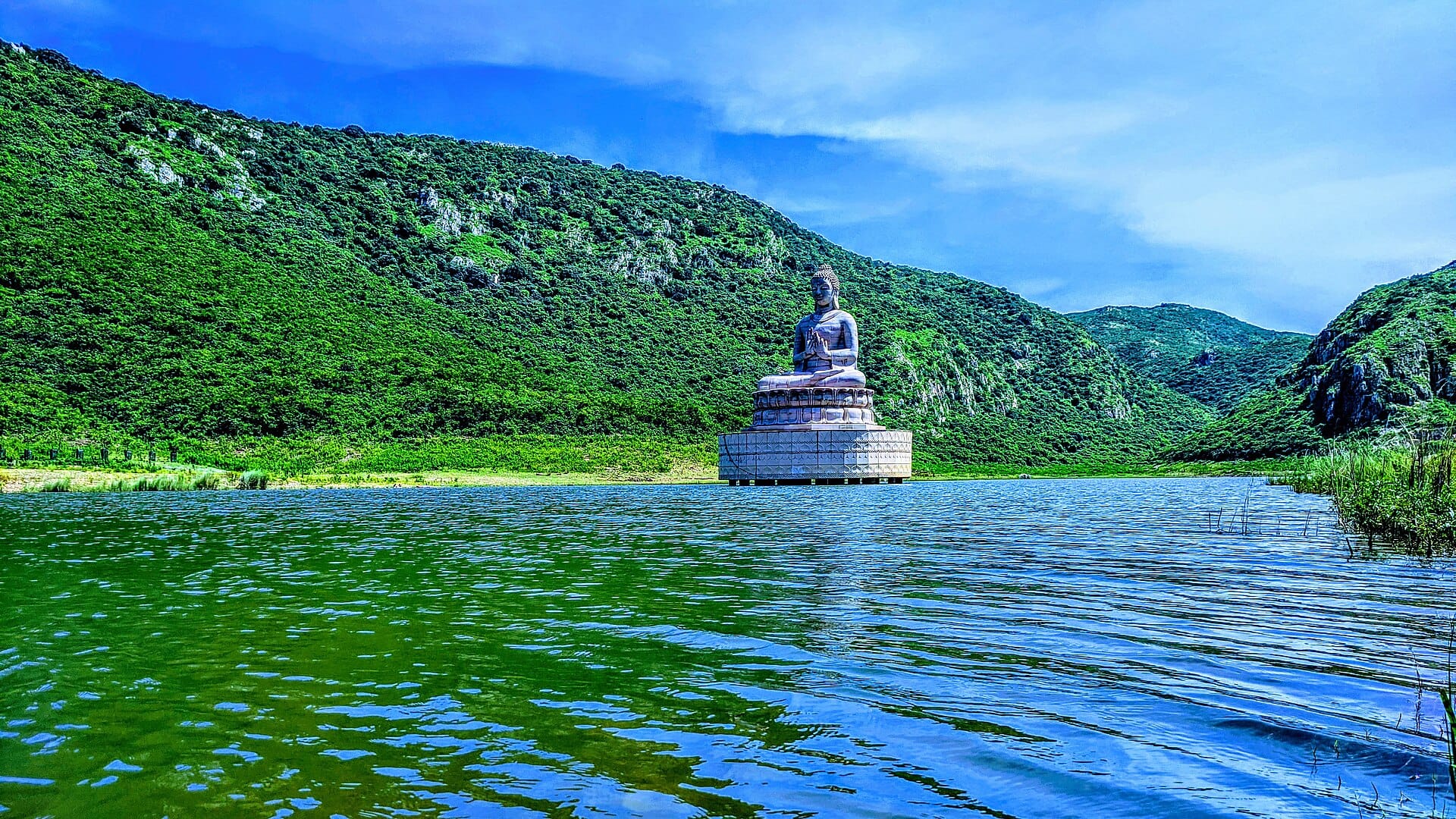
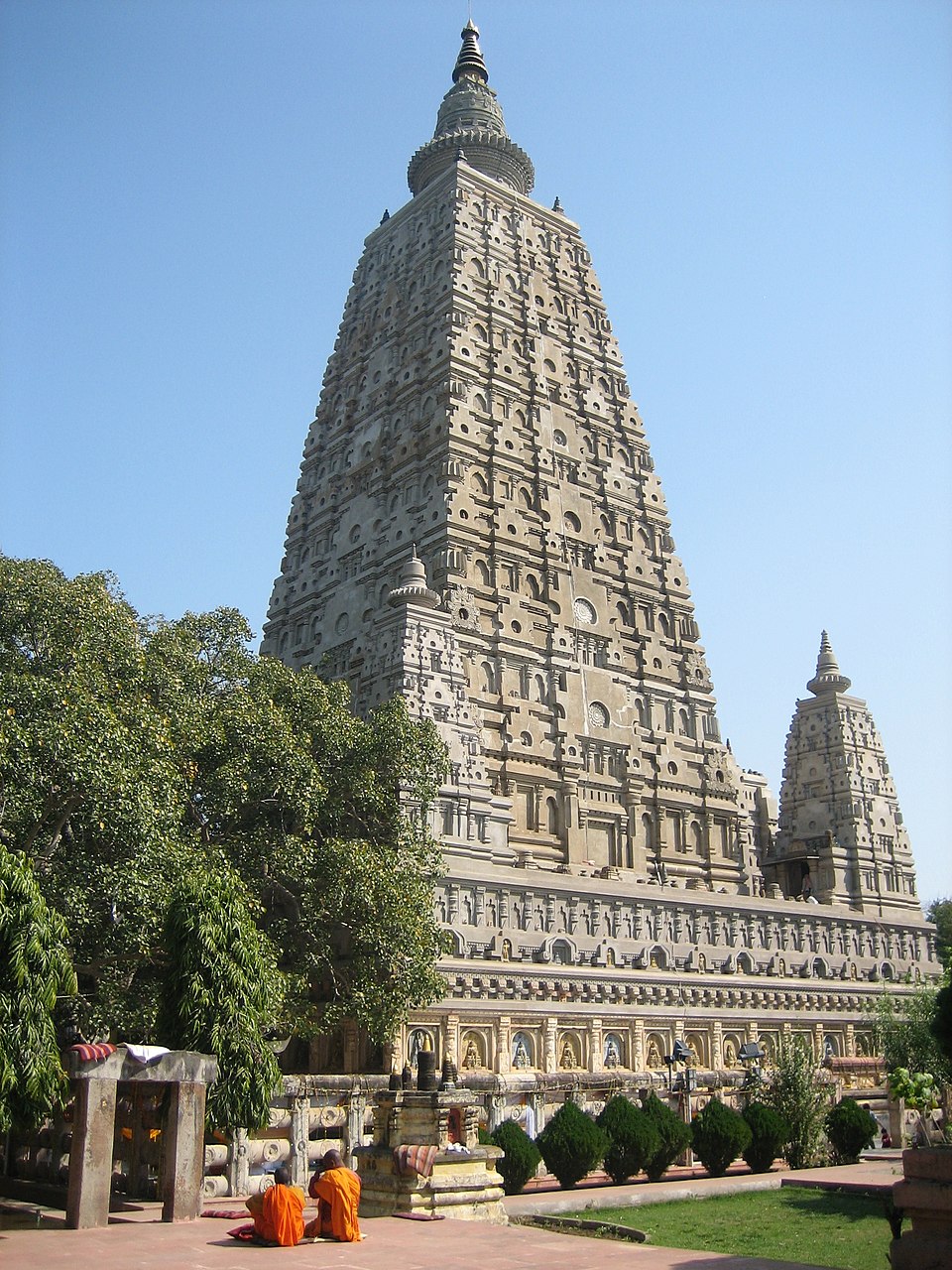
Mahabodhi Temple
The Mahabodhi Temple or the Mahābodhi Mahāvihāra, a UNESCO World Heritage Site, is an ancient, but restored Buddhist temple in Bodh Gaya, Bihar, India, marking the location where the Buddha is said to have attained enlightenment. Bodh Gaya is 15 km from Gaya and is about 96 km (60 mi) from Patna. The site contains a tree believed to be a descendant of the Bodhi Tree under which the Buddha gained enlightenment and has been a major pilgrimage destination of Buddhists for over two thousand years. The Mahabodhi Temple at Bodh Gaya is the holiest and most revered pilgrimage site for Buddhists worldwide..
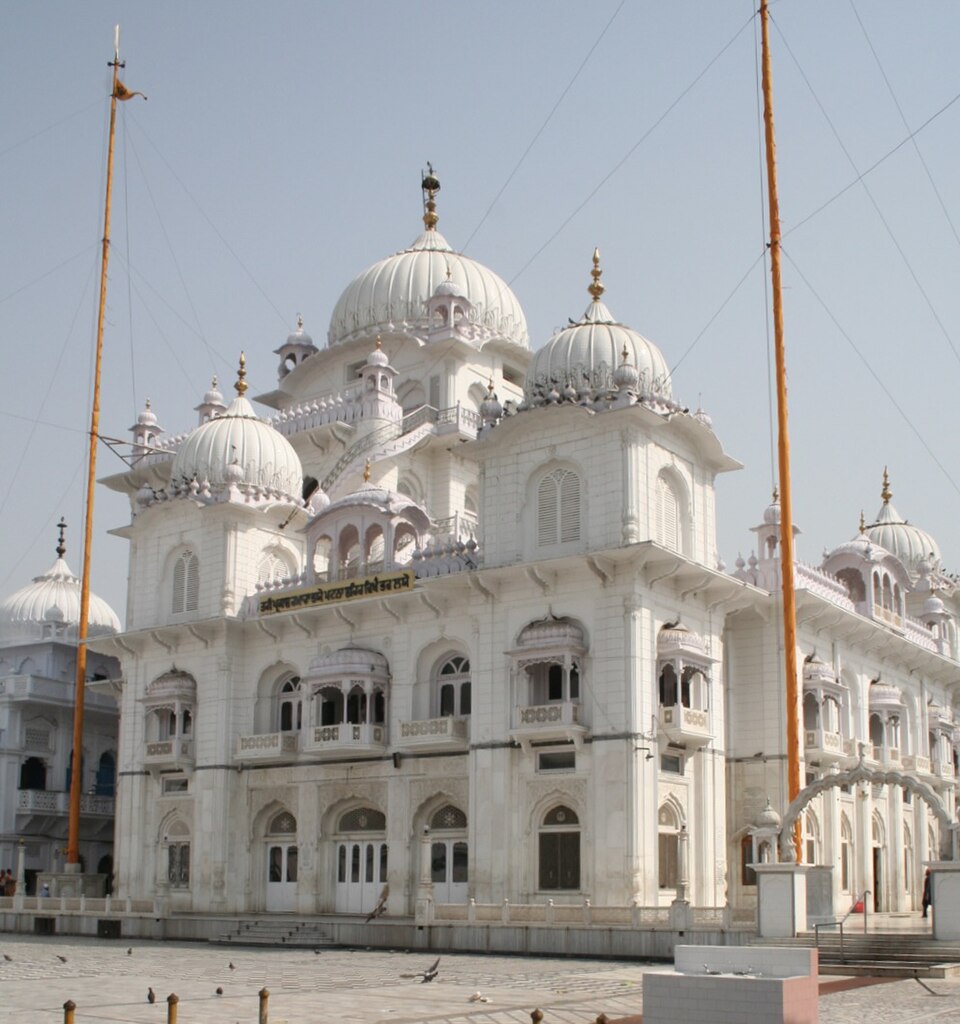
Takht Sri Patna Sahib
The Mahabodhi Temple or the Mahābodhi Mahāvihāra, a UNESCO World Heritage Site, is an ancient, but restored Buddhist temple in Bodh Gaya, Bihar, India, marking the location where the Buddha is said to have attained enlightenment. Bodh Gaya is 15 km from Gaya and is about 96 km (60 mi) from Patna. The site contains a tree believed to be a descendant of the Bodhi Tree under which the Buddha gained enlightenment and has been a major pilgrimage destination of Buddhists for over two thousand years. The Mahabodhi Temple at Bodh Gaya is the holiest and most revered pilgrimage site for Buddhists worldwide..
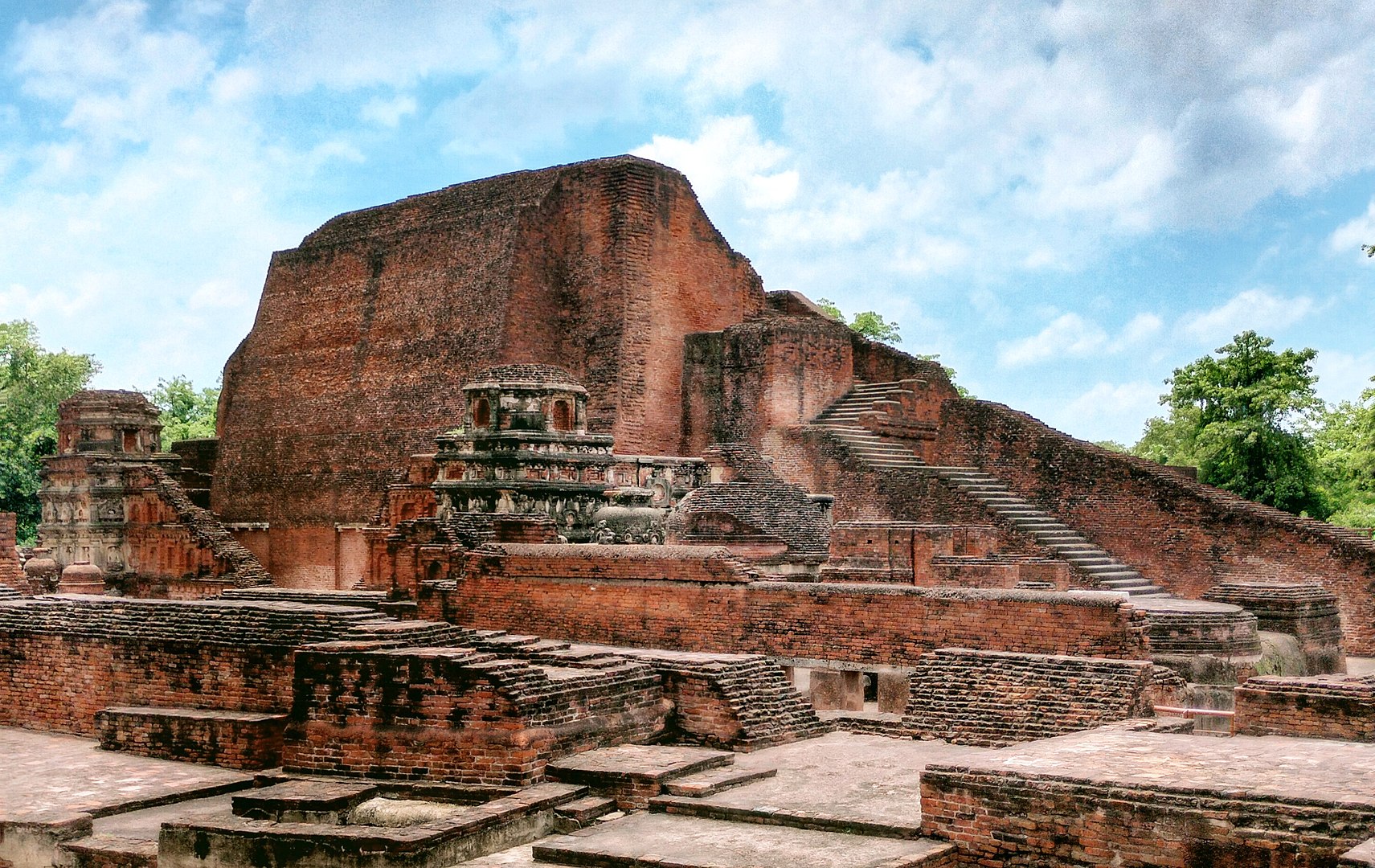
Nalanda
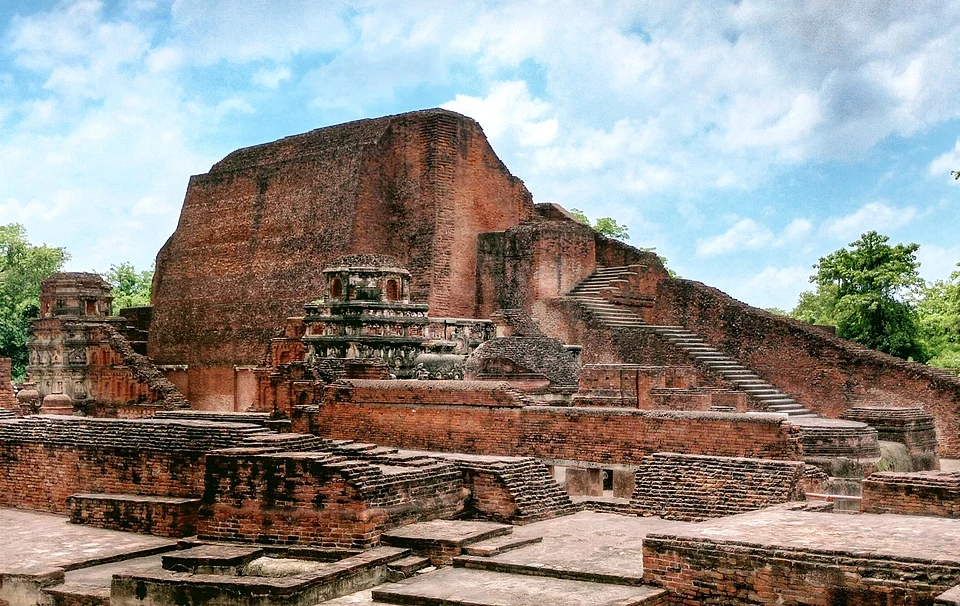
Nalanda is a cornerstone of Bihar Tourism, celebrated worldwide as the site of the ancient Nalanda Mahavihara, often regarded as the world's first residential university. This UNESCO World Heritage Site was a paramount center of Buddhist learning from the 5th to the 12th century, attracting thousands of scholars from across Asia. Today, visitors explore the sprawling, impressive ruins of stupas, monasteries, and lecture halls, offering a tangible connection to India's glorious intellectual and spiritual past.
Patna
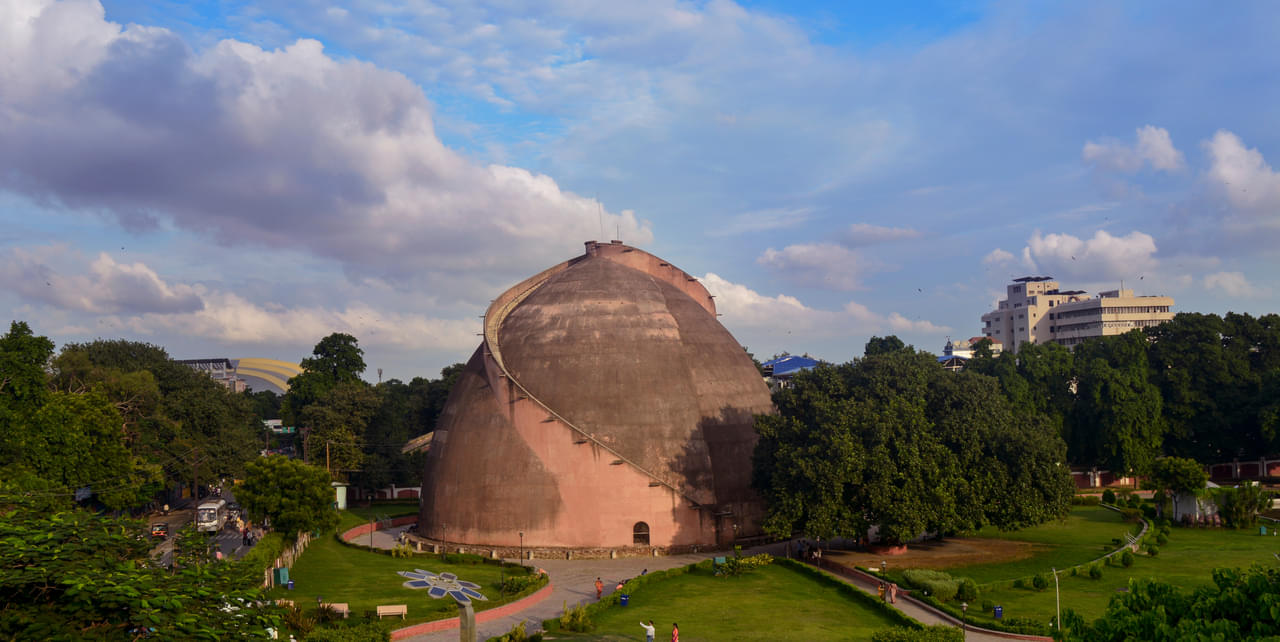
Patna, the capital of Bihar, is a vibrant city that serves as a living tapestry of India's past and present. Historically known as Pataliputra, it was the formidable capital of the Maurya and Gupta Empires, with archaeological sites like Kumhrar showcasing the grandeur of ancient times. Modern attractions like the beehive-shaped Golghar and the insightful Bihar Museum blend seamlessly with its ancient heritage, making Patna a vital hub for history buffs, pilgrims, and a major gateway to Bihar's famous Buddhist and Jain circuits.

Bihar Museum
Bihar Museum is a state museum located in Patna. It was partially opened in August 2015.'The children's museum', the main entrance area, and an orientation theatre were the only parts opened to the public in August 2015. Later, in October 2017 remaining galleries were also opened. More than 100 artefacts were transferred here from Patna Museum.It was planned as a history museum for the state of Bihar.
Shanti Stupa, Rajgir
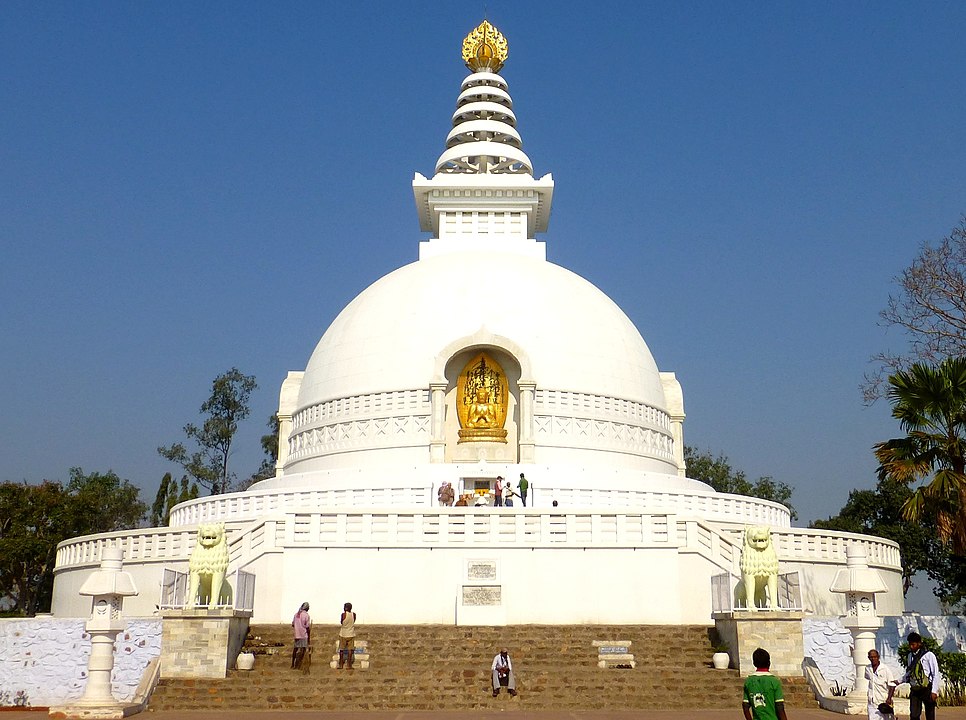
The Vishwa Shanti Stupa (World Peace Pagoda) in Rajgir, Bihar, is a prominent attraction on the state's Buddhist tourism circuit. Perched atop the scenic Ratnagiri Hill at a height of 400 meters, this massive white marble structure was built in 1969 by the Japanese Buddhist organization Nipponzan Myohoji as a symbol of world peace. It features four gleaming golden statues of Lord Buddha, depicting the four significant stages of his life. Visitors can reach this serene spot, which offers panoramic views of the Rajgir valley, via an exciting aerial ropeway, making it a key destination for both spiritual pilgrims and general tourists.
Vulture Peak, Rajgir
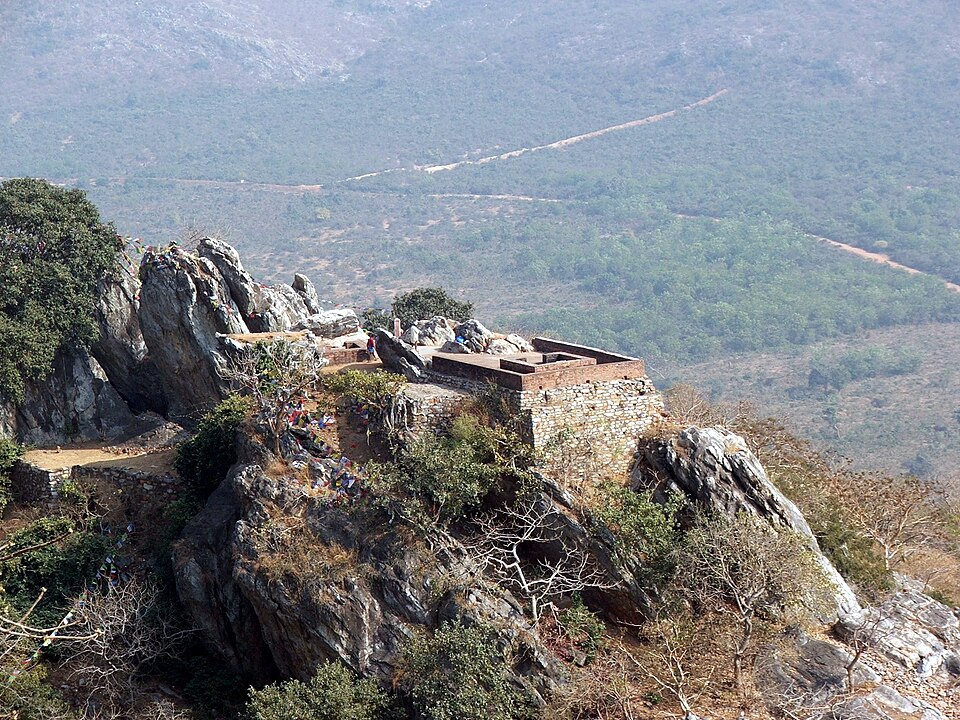
The Vulture Peak, also known as the Holy Eagle Peak, was, according to Buddhist tradition, the Buddha's favorite retreat in Rajagaha – now Rajgir, located in Bihar, India. It is so named because it resembles a sitting vulture with its wings folded, and was the scene for many of his discourses.
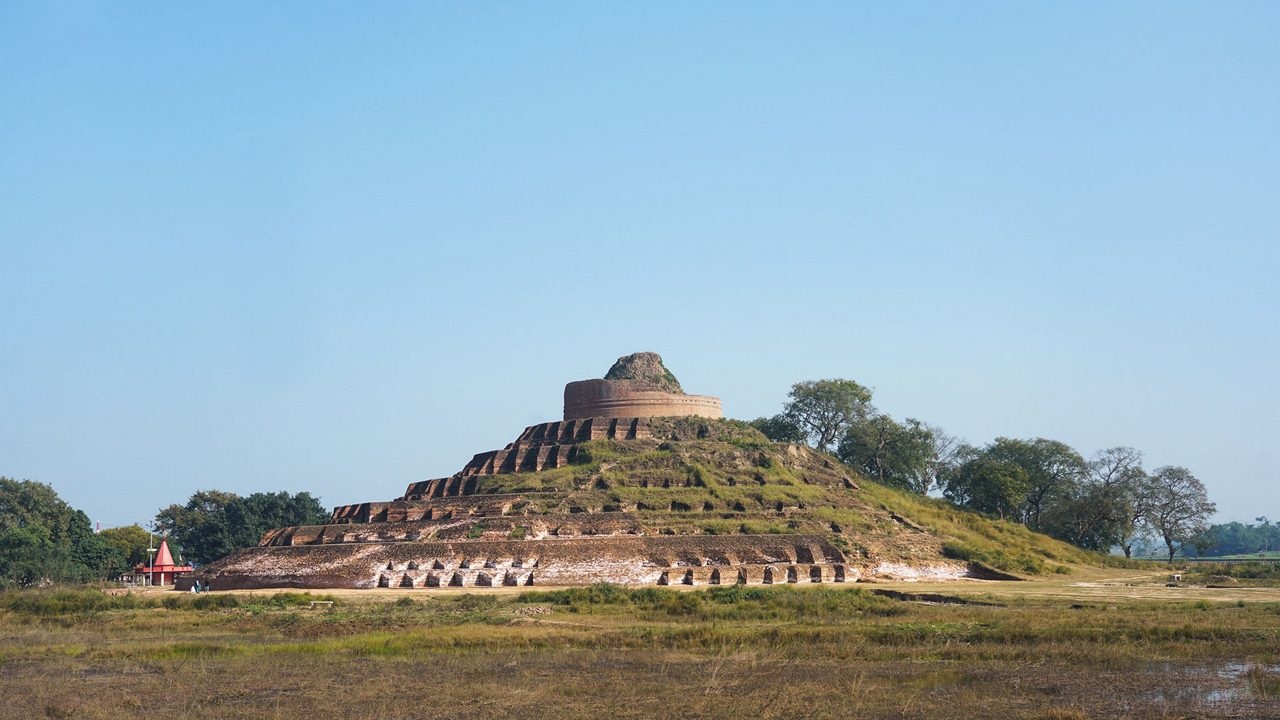
Kesaria Stupa
The Kesariya Stupa in Bihar's East Champaran district is a monumental testament to the state's profound Buddhist heritage and a key attraction for world tourism. Standing at a height of 104 feet with a circumference of approximately 400 feet, it is widely considered the largest and tallest Buddhist stupa in the world. The site holds immense religious significance, as it is believed to be the place where Lord Buddha made his last stop on his final journey before attaining Mahaparinirvana in Kushinagar. Initially built during Emperor Ashoka's reign in the 3rd century BCE and later expanded, its sheer scale and historical importance draw pilgrims and history enthusiasts from across the globe, solidifying its position as a cornerstone of Bihar's Buddhist Circuit.