About Ladakh
The Land of High Passes, Ladakh, the newly created Union Territory in India (previously a part of Jammu & Kashmir), boasts a landscape that can leave you with your jaw dropped. It is a place where the landscape changes dramatically; it is truly astonishing to see the mountains, snow, cold desert, alpine meadows, and lakes all within a short distance of each other. Tourism in Ladakh is an absolute delight for nature lovers as well as adventurers.
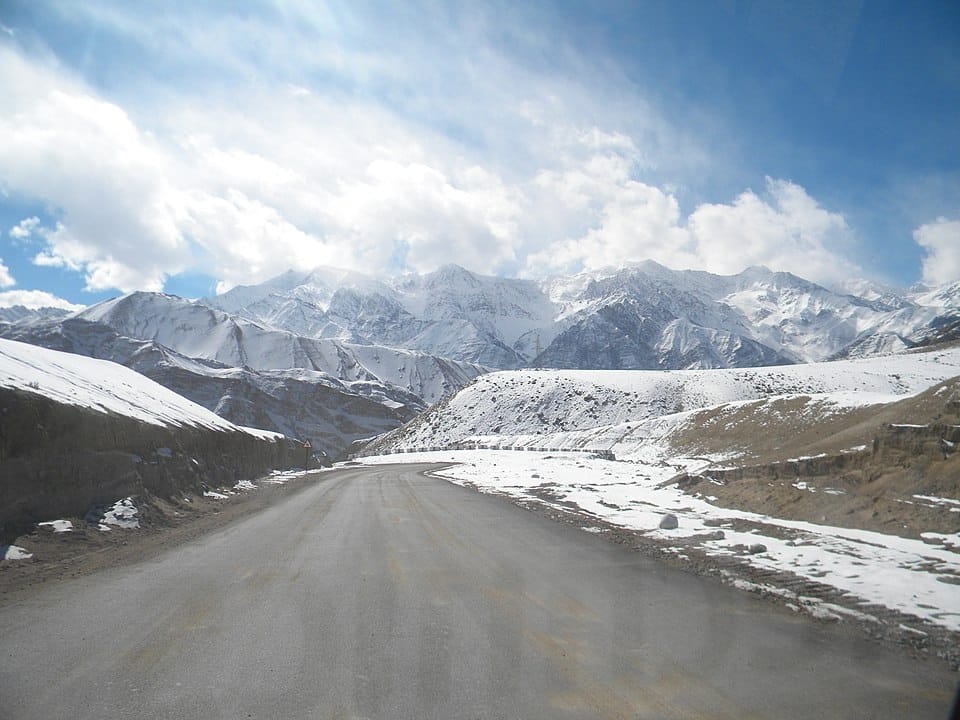
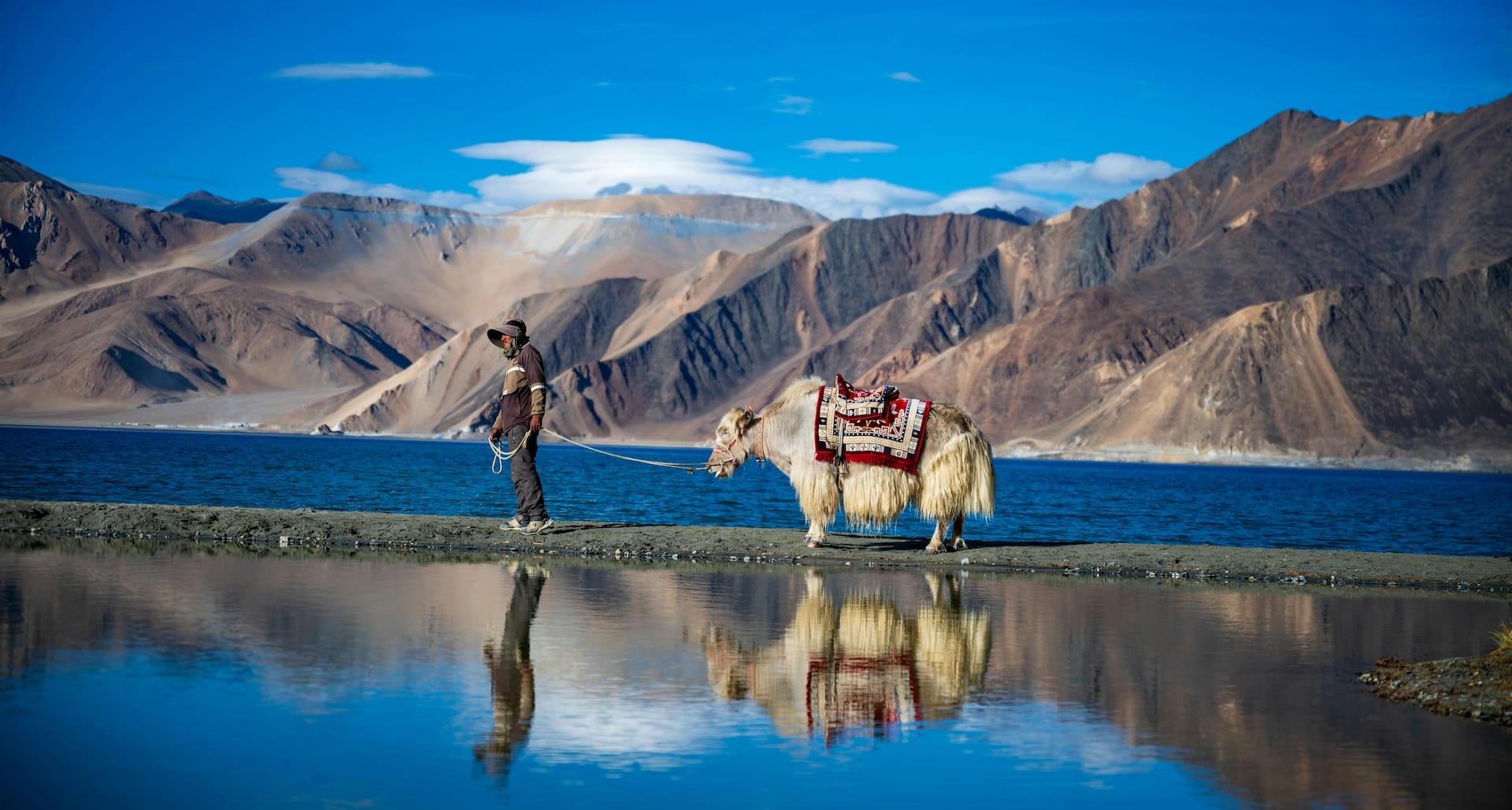
Adorned with the lofty barren mountains, Ladakh is home to some of the highest motorable passes like Khardung La (5359 m), Marsimik La (5582 m), and Chang La (5360 m), and alpine lakes like Pangong Tso (4350 m) and Tso Moriri (4522 m). Ladakh is further divided into three regions – Leh, Nubra, and Zanskar– and each region has several places to see.
Ladakh is majorly popular amongst the adventurers who feel welcomed by the number of adrenaline-rushing activities offered here. The union territory is amongst the top trekking destinations in India, with amazing and unmatched treks like the popular Frozen River Trek/Chadar Trek. Ladakh also has opportunities for mountaineering, motor biking, mountain biking, white water rafting, and more.
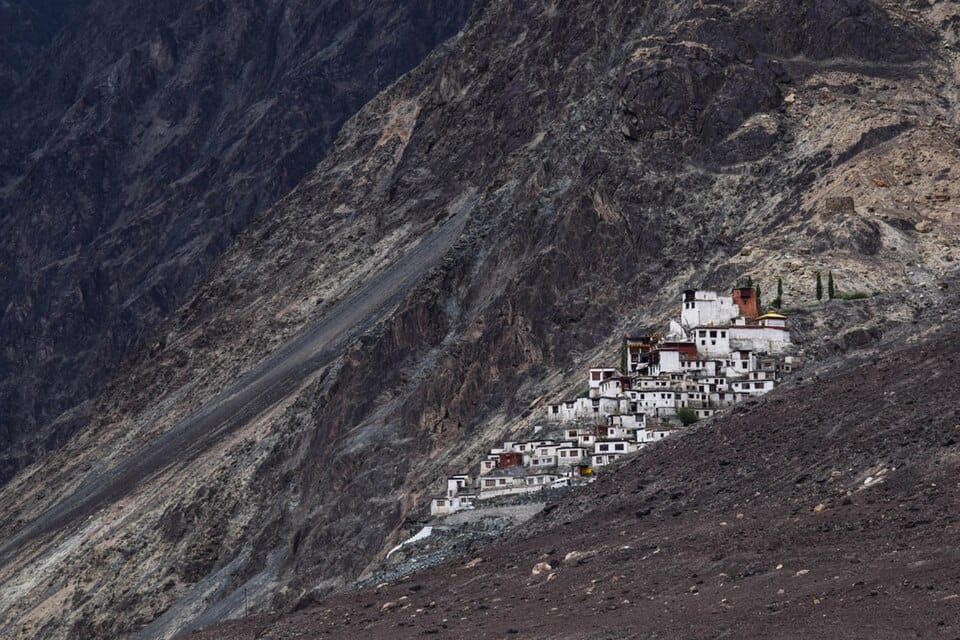
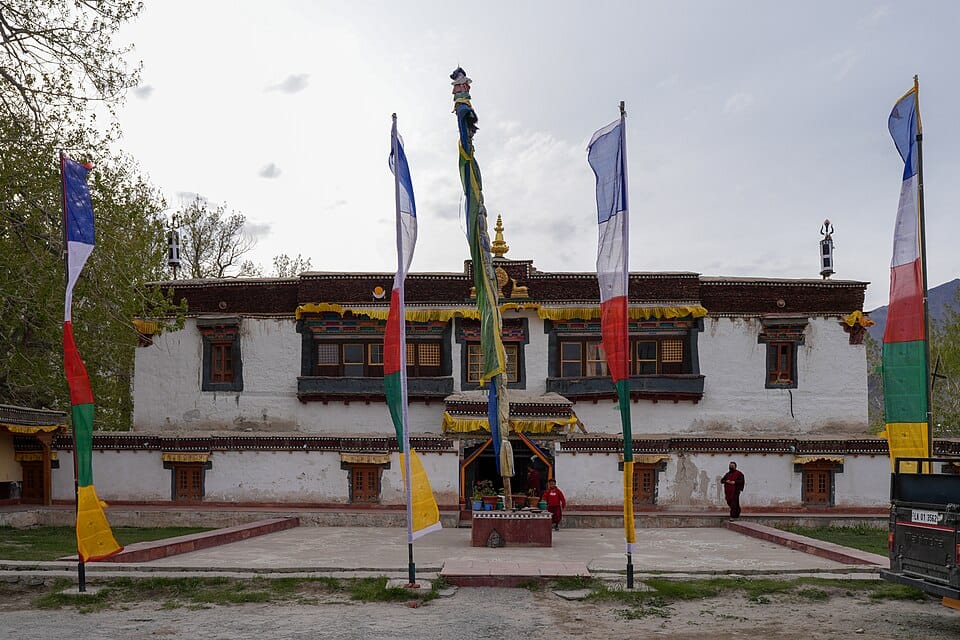
Adding to its exceptional beauty are the ancient Buddhist monasteries that are mostly nestled in the mountains and are thousands of years old. These monasteries make for the Buddhist pilgrimage destinations in Ladakh and also act as important cultural centres where major religious festivals take place.

Best Places to Visit in Ladakh
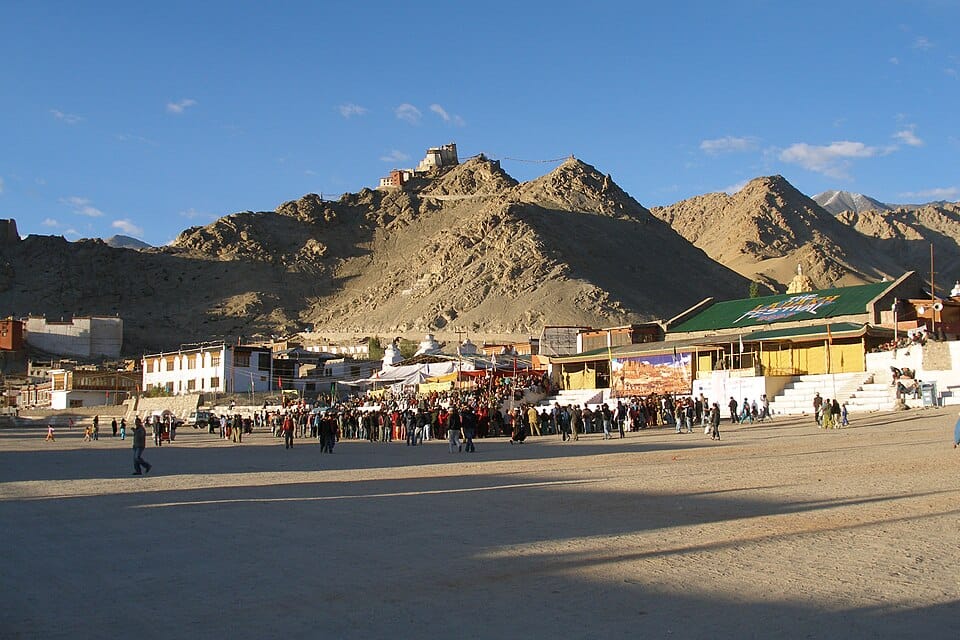
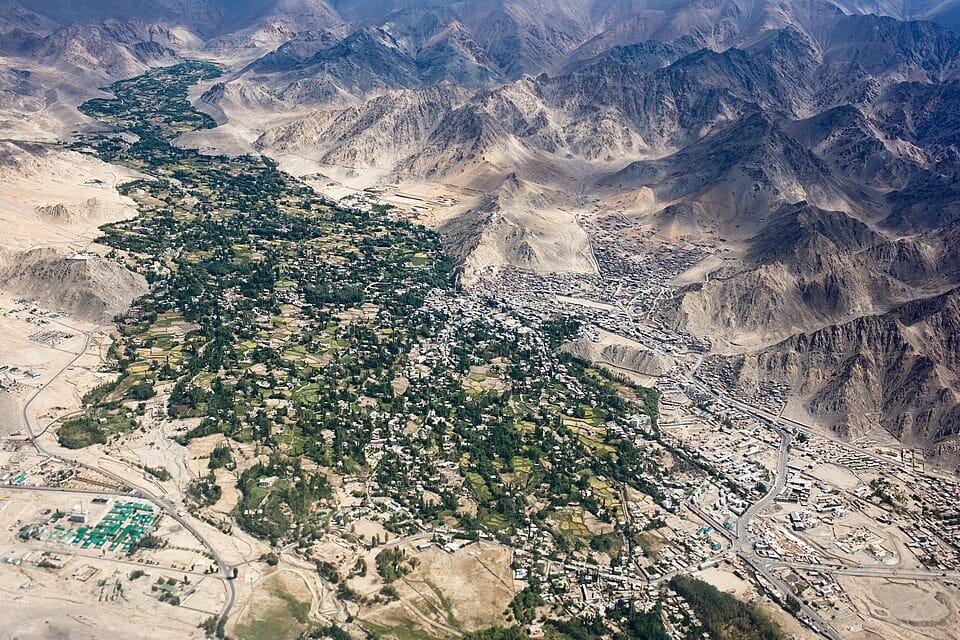
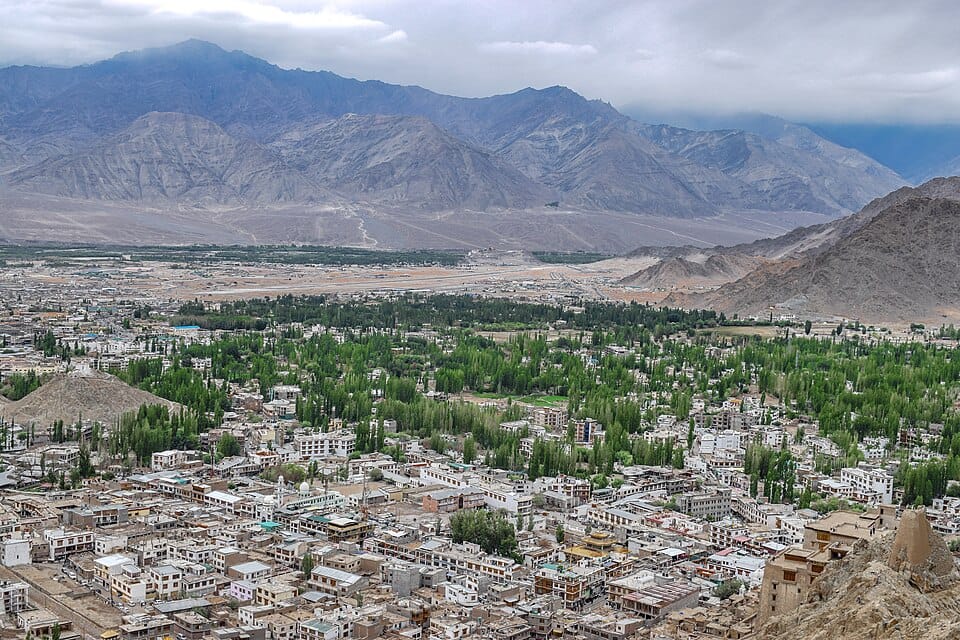
Leh: Leh is where your adventure in Ladakh begins! The capital city of the recently formed union territory is the right reflection of what this venturesome North Indian destination is all about. At first, you might find Leh to be a quiet destination, but with further exploration, you’ll find, Leh is quite an exciting place to be for everyone. Be it a nature lover, a cultural aficionado, a history lover, an adventure enthusiast, or even honeymooners, there’s certainly something special for all in Leh tourism.
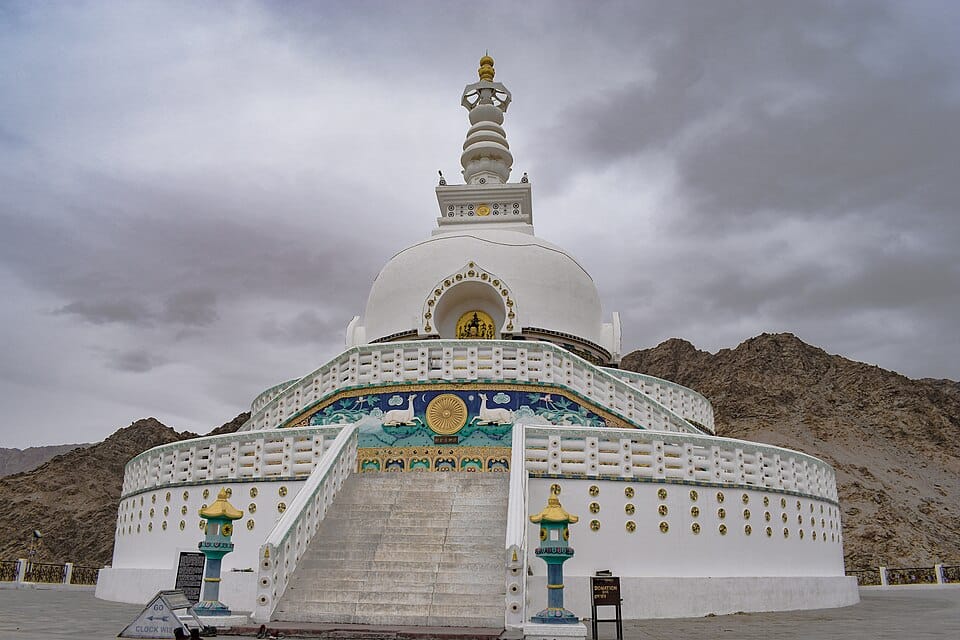
Inside Leh City, for history & culture lovers, are some must-see places like Leh Palace, situated atop a mountain; Shanti Stupa, perched on a mountain and is widely acclaimed; Leh Market, an ideal place for shopping in Ladakh; and the War Museum that gives you a detailed insight into the wars in India and the role of the Indian Army. Around Leh also sit some of the most amazing places for sightseeing in Ladakh.
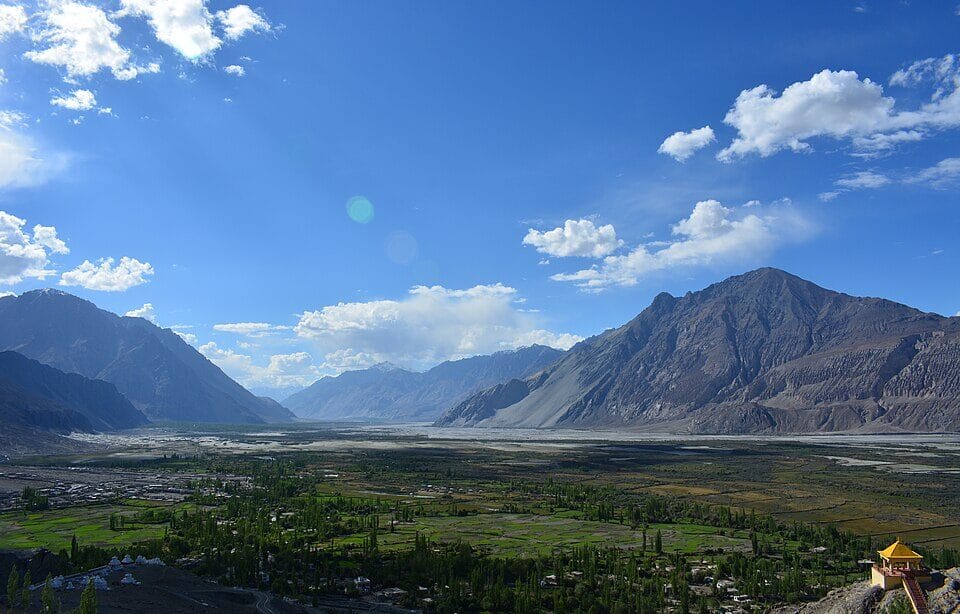
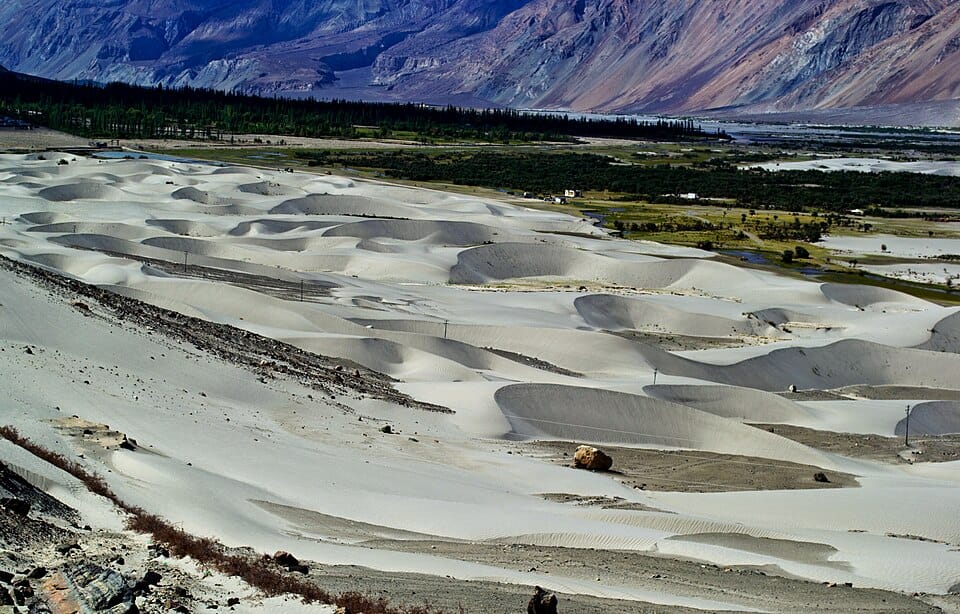
Nubra Valley: A tri-armed valley separated by the Nubra (Siachen) River and the Shyok River, Nubra Valley in Ladakh is renowned for its cold desert and picturesque landscape. The valley is connected to Leh with Khardung La, one of the highest motorable passes in the world. Nubra Valley is amongst the top tourist attractions in Ladakh, and its Diskit Monastery and Hunder Village are a must-visit.
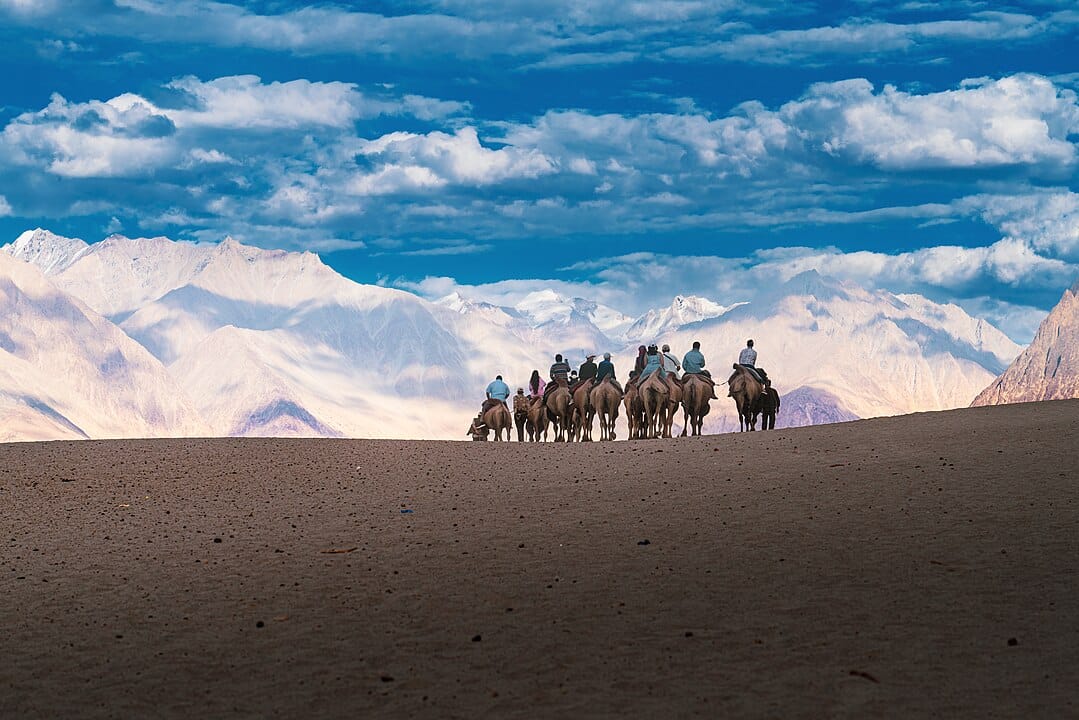
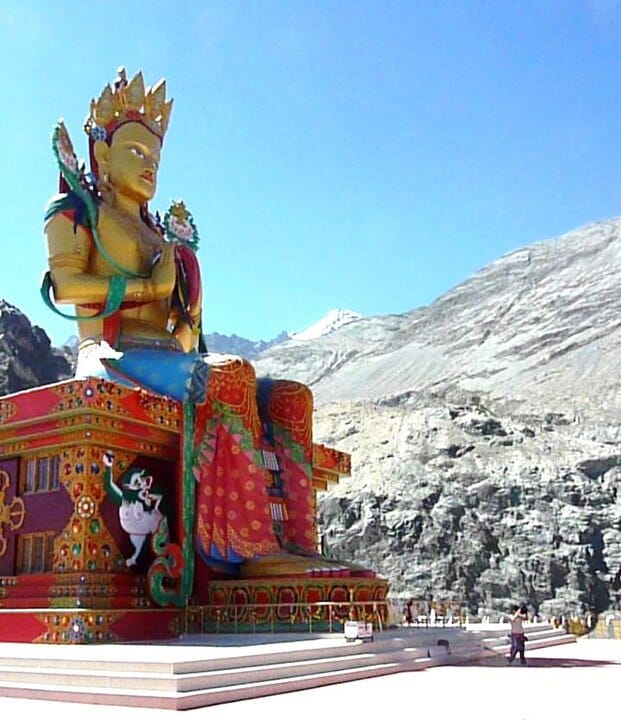
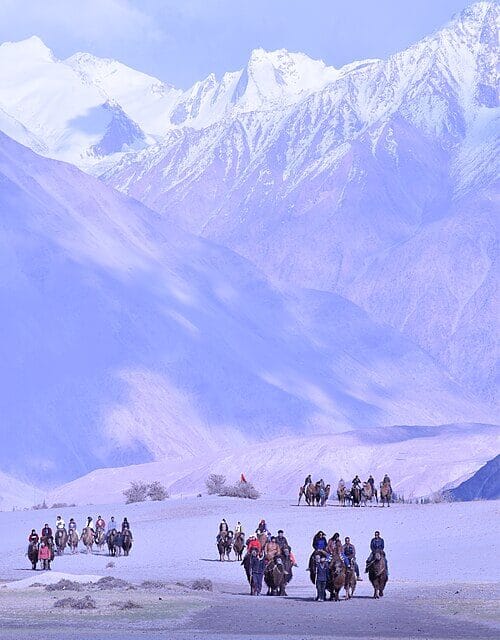
Nubra Valley’s Hunder Village is known for its cold desert and the opportunity of camping and riding on a Bactrian Camel (double-humped camel). The Diskit Monastery in the largest town of Nubra Valley is the oldest and largest one in the region and is also a must-see. However, the main attraction here is the 32-meter statue of Maitreya Buddha, which is hard to miss due to its size.
Turtuk, an offbeat village, has been made accessible for tourists since 2010. Here, tourists have the chance to enjoy tribal tourism, interact with the locals, and learn about their culture and lifestyle. There’s also the opportunity to enjoy eco-friendly camping at Turtuk.
Other than this, Nubra Valley has many other remote villages and monasteries to see. The hot spring at Panamik Village is one of the best places to see. For adventure lovers, it is the best destination in Ladakh for trekking, mountain biking, and motor biking tours.
Zanskar: Popular primarily for its adventurous Frozen River/Chadar Trek in the winter season and adrenaline rushing white water rafting experience in summer, Zanskar in Ladakh is a paradise for adventure and nature lovers.
An offbeat destination, Zanskar is a part of Kargil District in Ladakh and boasts some of the most spectacular views in the union territory. It covers an area of more than 5000 sq km, and has a mountain range (Zanskar Range) of its own that is different from the Himalayas.
For adventure lovers, Zanskar is a trekking hotspot. Apart from the Chadar Trek, it has several exciting treks like Lamayuru to Darcha and Lamayuru-Padum trek that take you through remote villages and offers jaw-dropping vistas. And if that’s not enough, the Zanskar River offers an amazing white-water rafting experience with up to Grade IV rapids.
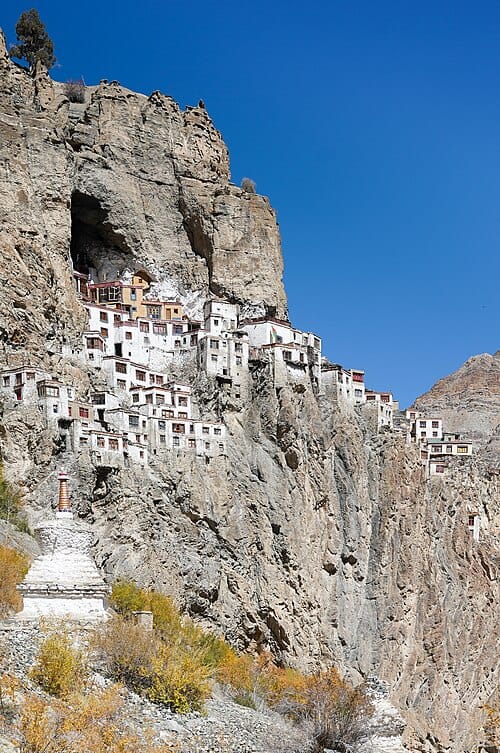
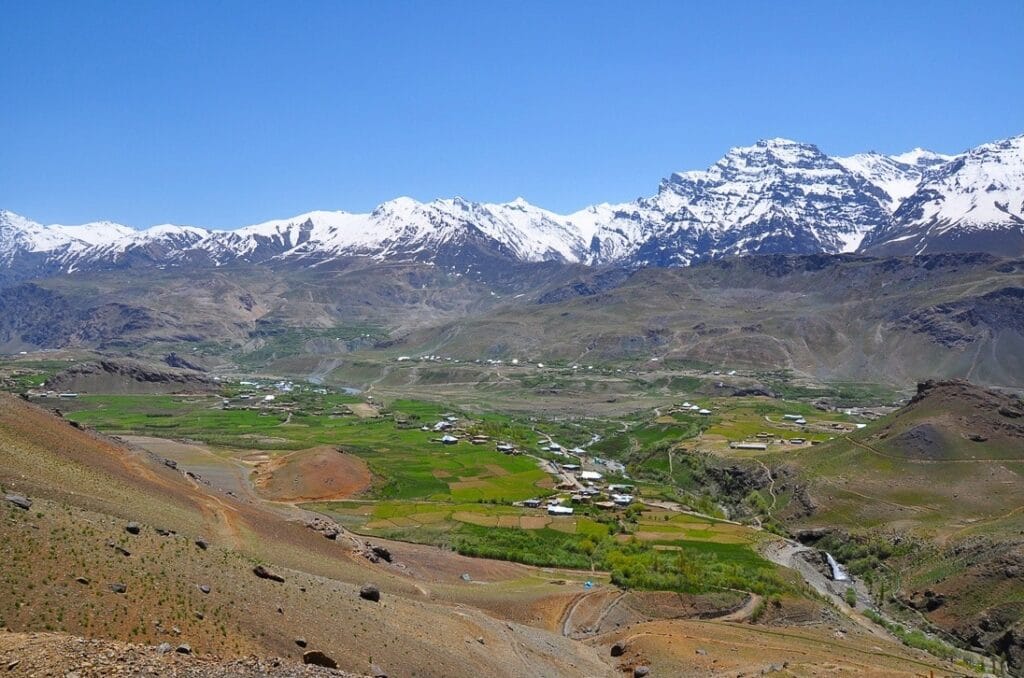
Nature lovers can take delight in Zanskar’s untouched natural beauty. There are alpine lakes that are so scenic that you don’t feel like taking off your eyes of them. Mountains and streams are running parallel, and there are small agricultural patches near the remote villages that add green to the brown and yellow landscape. The sacred monasteries like Sani, Stongdey, Karsha, and Phugtal monasteries only add to its natural charm.
For culture lovers, apart from the monastery, Zanskar is home to one of the last surviving cultural settlements of Tibet. One can still see the practice of polyandry in some of the villages in Zanskar. The simple food and usage of locally available resources make trying the food here a must.
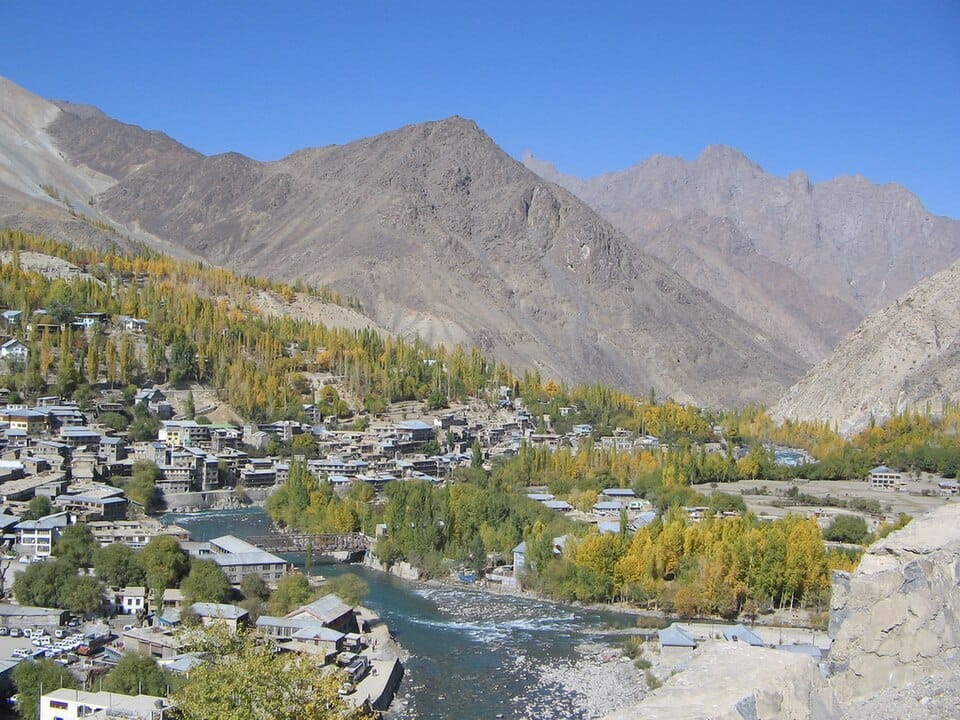
Kargil: Kargil is one of the two districts (the other being Leh) & the joint capital of Ladakh, the newly created Union Territory of India. It is located at an altitude of 8,80 feet above sea level on the banks of the Suru River.
A tourist spending their holidays in Kargil will easily fall in love with its landscape, which has plenty of contrasts. There are valleys, lakes & mountains, along with monasteries which offer lovely sightseeing opportunities.
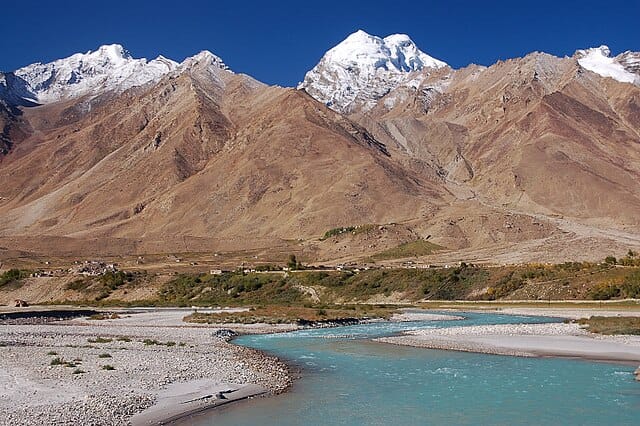
Some of the most famous places in Kargil, like Suru Valley, lend it its marvellous beauty. Starting from Kargil, it stretches all the way to the Penzi La watershed. Surrounded by mountains from all sides, it is a place of heavenly beauty with orchards of mulberry, apple & apricot trees dotting its landscape.
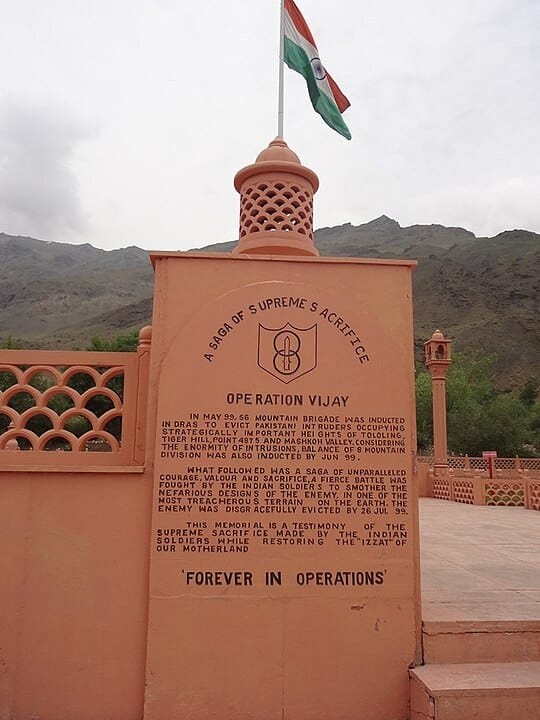
There are also historical places like Kargil War Memorial which was built by the Indian Army to commemorate the Kargil War, which occurred between India & Pakistan in 1999. The main attraction is the Sandstone Wall, on which are mentioned the names of all the martyrs of the Indian Army.
Another historical sightseeing place in Kargil is Mulbekh Monastery, which actually consists of two gompas: Serdung Gompa & Rgaldan-se Gompa. The monastery is believed to have been built around 800 years ago. What is fascinating is the height and location of the monastery, as it is located atop a crag at almost 656 feet.
Kargil also has something in store for those seeking adventure and adrenaline rush, as they can experience the thrill of mountaineering on the Nun Kun mountain massif, which consists of two Himalayan peaks. One of them is Nun, at 23,409 feet & the other is Kun, at 23,218 feet. The best time to go mountaineering here is from July to September.
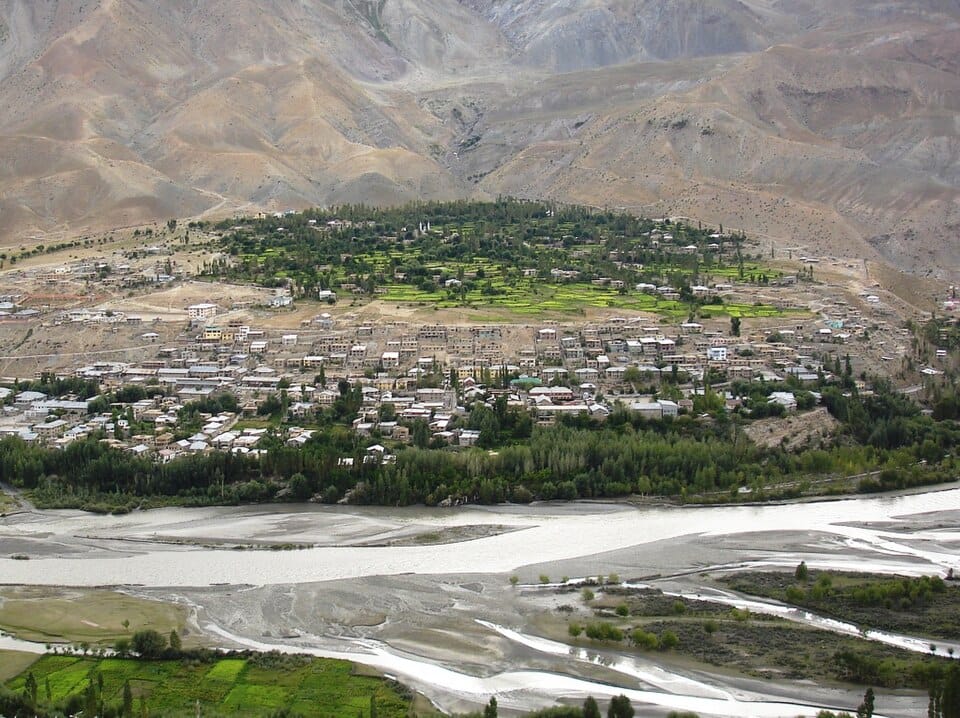
Drass: Drass is a valley located in the Kargil district in the Union Territory of Ladakh. It lies on National Highway 1 (NH 1) between Zoji La & Kargil town, and is famously referred to as the Gateway to Ladakh.
For most people, their information about Drass begins & ends with it being the second coldest place in the world (the first being Siberia). However, there is more to Drass than just the bone chilling temperature.
It is a place blessed with immense beauty, with enormous mountain ranges surrounding it from all sides and spectacular sunset views that win your heart. Besides natural beauty, sightseeing in Drass also includes visiting its monasteries & other religious holy sites.